How Spring Activities in Southwest Florida Can Trigger Back Pain

Lower Back Pain

As the weather warms up across Southwest Florida, residents are eager to get outside and enjoy spring activities. From weekend yard work to rounds of golf at local courses, spring is a time for movement. But with that increased activity comes a risk many people overlook: spring activities back pain in Southwest Florida is one of the most common reasons patients visit our clinic between March and May. Understanding why these activities trigger discomfort — and how to prevent it — can help you enjoy the season without setbacks.

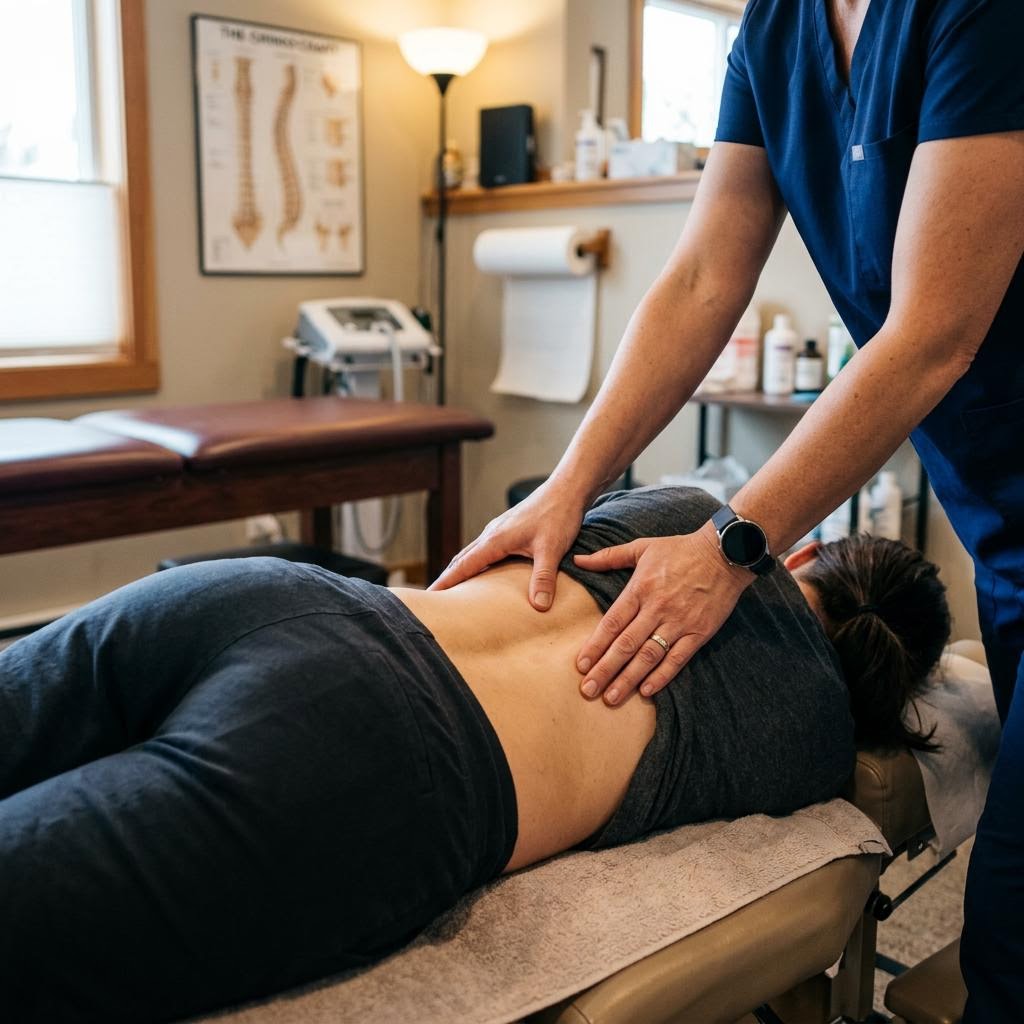
Lower back pain treatment at Grace Medical & Chiropractic

Why Spring Activities Lead to Back Pain

After months of reduced activity during the cooler season, many people jump back into physical tasks without easing in. Raking, mulching, planting, and lifting heavy bags of soil put repetitive strain on your lower back. Bending, twisting, and reaching overhead are movements your spine may not be prepared for after a slower winter. The sudden increase in activity can irritate muscles, compress discs, and inflame joints — especially in the lumbar region.

This is particularly common in Southwest Florida, where spring also brings peak season for outdoor recreation. Pickleball courts across Lee County are packed, golf courses from Fort Myers to Cape Coral see increased play, and families head to beaches like Lovers Key and Bowditch Point for long days of swimming and paddleboarding. Each of these activities involves rotational forces on the spine that can cause or worsen back pain.

Common Spring Activities That Trigger Back Pain

Certain activities are more likely to cause problems than others. Here are the top culprits we see at Grace Medical & Chiropractic each spring:

Yard work and gardening: Prolonged bending, kneeling, and lifting heavy materials strain the lower back. Using a shovel or rake involves repetitive twisting that can irritate spinal joints and surrounding muscles.

Golf: The golf swing generates tremendous rotational force through the lumbar spine. Without proper warm-up and flexibility, this can lead to muscle spasms, disc irritation, or facet joint inflammation.

Pickleball and tennis: Quick lateral movements, lunging, and overhead serves place sudden demands on the back. These sports are especially popular among adults over 50 in our area, a group already at higher risk for spinal degeneration.

Fishing and boating: Standing on an uneven boat surface while casting and reeling engages stabilizer muscles in the core and back. Hours of this can leave you sore for days.

Beach activities: Walking on soft sand changes your gait and increases stress on the lower back. Carrying coolers, chairs, and children adds to the load.

Lower Back Pain

Tips to Prevent Back Pain This Spring

The good news is that most spring-related back pain is preventable with a few smart habits. Start by warming up before any physical activity — even yard work. Five to ten minutes of gentle stretching, focusing on your hamstrings, hip flexors, and lower back, can prepare your body for movement.

When doing yard work, use your legs to lift rather than your back. Keep objects close to your body, avoid twisting while carrying heavy items, and take frequent breaks. For golfers, a proper pre-round stretching routine and maintaining good posture throughout your swing can reduce strain significantly.

Stay hydrated — Florida’s spring heat can cause muscles to cramp and tighten more quickly. And if you are returning to an activity after time off, build up gradually rather than going full intensity on day one. If you begin to notice tightness or pain, low back pain treatment in North Fort Myers is available to address the issue before it becomes a bigger problem.

How Chiropractic Care and Physical Therapy Help

If back pain does develop, early treatment leads to faster recovery. Chiropractic adjustments restore proper alignment to the spine, reduce nerve irritation, and improve range of motion. Many patients experience relief after just a few visits.

For patients who need additional support, physical therapy at Grace Medical & Chiropractic targets the muscles and structures around the spine. Strengthening your core, improving flexibility, and correcting movement patterns can prevent recurring episodes and keep you active throughout the season.

Our team works with patients of all activity levels — from weekend gardeners to competitive athletes — to develop treatment plans that fit your lifestyle and goals.

Frequently Asked Questions

How long does it take for spring-related back pain to go away?

Mild muscle strain from yard work or sports typically improves within a few days to two weeks with rest, ice, and gentle stretching. If pain persists beyond two weeks or includes numbness, tingling, or shooting pain down the leg, professional evaluation is recommended. Chiropractic care can speed recovery and prevent the issue from becoming chronic.

Should I stop playing golf or pickleball if my back hurts?

Not necessarily, but you should modify your activity and get evaluated. Playing through significant pain can worsen the underlying issue. A chiropractor can determine whether the pain is muscular, joint-related, or disc-related, and recommend whether rest, treatment, or modified activity is the best approach.

Can chiropractic care prevent back pain from spring activities?

Yes. Regular chiropractic adjustments help maintain spinal alignment and joint mobility, making your body more resilient to the physical demands of spring activities. Many patients schedule maintenance visits before their active season begins to reduce the risk of injury.

Stay Active This Spring Without the Pain

Spring in Southwest Florida is meant to be enjoyed, not spent on the couch recovering from back pain. Whether you are dealing with spring activities back pain in Southwest Florida right now or want to prevent it before it starts, the team at Grace Medical & Chiropractic is here to help. Call us at (239) 997-8100 or visit our office at 13720 North Cleveland Avenue Suite B, North Fort Myers, FL 33903 to schedule an appointment. Let us help you stay active and pain-free all season long.

Helpful Resources

Spinal Decompression vs Surgery: Which Is Right for Your Back Pain?

spinal decompression

When back pain limits your ability to work, exercise, or enjoy time with your family, you want answers. Two of the most common options patients hear about are spinal decompression vs surgery for back pain. Both can provide relief, but they are very different in terms of approach, recovery time, risk, and cost. Understanding the differences helps you make an informed decision about which path is right for your situation.

ProAdjuster computerized chiropractic technology at Grace Medical North Fort Myers

Understanding Spinal Decompression Therapy

Spinal decompression therapy is a non-surgical treatment that uses a specialized motorized table to gently stretch the spine. By creating negative pressure within the spinal discs, decompression encourages bulging or herniated disc material to retract back into place. This process also promotes the flow of oxygen, water, and nutrients into the disc, which supports natural healing over time.

Each session typically lasts 30 to 45 minutes. Patients lie comfortably on the decompression table while the machine applies controlled, intermittent traction to the targeted area of the spine. Most treatment plans involve 20 to 28 sessions over a period of five to seven weeks. Many patients in our North Fort Myers clinic report noticeable improvement within the first few sessions.

Spinal decompression is particularly effective for conditions such as herniated discs, degenerative disc disease, sciatica, and facet joint syndrome. It works well for patients who have chronic low back pain that has not responded to basic treatments like rest, ice, or over-the-counter pain medication.

When Surgery Becomes Part of the Conversation

Spinal surgery is generally considered when conservative treatments have failed to provide adequate relief after several months, or when there is a serious neurological issue such as progressive muscle weakness, loss of bladder or bowel control, or severe nerve compression that threatens permanent damage.

Common surgical procedures for back pain include microdiscectomy, laminectomy, spinal fusion, and artificial disc replacement. Each procedure carries its own set of risks, including infection, blood clots, nerve damage, and the possibility that the surgery may not fully resolve the pain. Recovery from spinal surgery can take anywhere from six weeks to several months, and many patients require physical therapy afterward to regain strength and mobility.

Surgery can be life-changing for the right patient. When a large disc herniation is compressing a nerve root and causing debilitating leg pain, a microdiscectomy can provide rapid relief that conservative care cannot match. The key is making sure surgery is truly necessary and that less invasive options have been given a fair chance first.

adjustment

Comparing the Two Approaches Side by Side

Understanding the practical differences between spinal decompression and surgery helps patients weigh their options clearly:

Invasiveness: Spinal decompression is completely non-invasive. There are no incisions, no anesthesia, and no hospital stay. Surgery requires cutting through tissue, often involves general anesthesia, and may require one or more nights in the hospital.

Recovery time: After a decompression session, patients can drive themselves home and return to most daily activities immediately. Surgical recovery can sideline you for weeks or months. For active residents in Lee County who enjoy golfing, fishing, or spending time outdoors, the shorter recovery window of decompression therapy is a major advantage.

Risk: Decompression therapy carries minimal risk. Mild soreness after a session is the most common side effect. Surgery carries inherent risks including complications from anesthesia, post-operative infection, scar tissue formation, and in some cases, failed back surgery syndrome where pain persists or worsens after the procedure.

Cost: A full course of spinal decompression therapy is typically a fraction of the cost of spinal surgery, even before factoring in hospital fees, anesthesiologist charges, and post-surgical rehabilitation. For patients without comprehensive insurance coverage, the financial difference can be substantial.

Effectiveness: Published studies show that spinal decompression therapy provides meaningful relief for approximately 86 percent of patients with herniated or degenerative discs. Spinal surgery success rates vary by procedure but generally range from 70 to 90 percent, depending on the condition and the specific operation performed.

How to Decide Which Option Is Right for You

The decision between spinal decompression and surgery should be made with the guidance of a qualified healthcare provider who understands your complete medical picture. In most cases, it makes sense to try conservative and non-invasive treatments first. If spinal decompression combined with physical therapy and chiropractic care can resolve your pain, you avoid the risks and downtime associated with surgery entirely.

Surgery may be the better choice if you have a structural problem that non-surgical treatment cannot correct, if you are experiencing progressive neurological symptoms, or if you have already completed a thorough course of conservative care without sufficient improvement. A good provider will never rush you toward surgery and will always present all available options honestly.

At our clinic in North Fort Myers, we evaluate every patient individually. We review imaging, discuss symptoms, and create a treatment plan that starts with the least invasive approach. Many patients who come in thinking they need surgery find that spinal decompression therapy provides the relief they were looking for.

Frequently Asked Questions

Is spinal decompression painful?

No. Most patients find spinal decompression therapy comfortable and even relaxing. The table applies gentle, controlled stretching that should not cause pain. Some patients experience mild soreness after their first few sessions, similar to the feeling after starting a new exercise routine.

Can spinal decompression help if I have already had back surgery?

In some cases, yes. Patients with failed back surgery syndrome or recurring disc problems after a previous procedure may benefit from decompression therapy. However, patients with spinal hardware such as rods or screws from a fusion surgery are generally not candidates. A thorough evaluation is needed to determine eligibility.

How do I know if my back pain is serious enough for surgery?

Signs that surgery may be necessary include progressive leg weakness, loss of bladder or bowel function, and pain that has not improved after several months of conservative treatment. These symptoms should be evaluated promptly. For most other types of back pain, non-surgical options like spinal decompression should be explored first.

If you are weighing spinal decompression vs surgery for back pain, Grace Medical & Chiropractic can help you understand your options. Our North Fort Myers clinic at 13720 North Cleveland Avenue, Suite B, provides comprehensive evaluations, spinal decompression therapy, and personalized treatment plans for patients throughout Lee County, Cape Coral, and Fort Myers. Call (239) 997-8100 to schedule a consultation and find out which approach is right for your back pain.

Helpful Resources

Why Fort Myers Families Trust Chiropractic Care for Everyday Pain

chiropractor

Families across Fort Myers and Southwest Florida are discovering that chiropractic care for Fort Myers families offers a safe, drug-free approach to managing everyday aches and pains. From toddlers to grandparents, chiropractic treatment addresses the root cause of discomfort rather than covering it up with medication. At Grace Medical & Chiropractic in North Fort Myers, we see patients of all ages who want to feel better and stay active in the community they love.

chiropractor clinic

How Everyday Life in Southwest Florida Takes a Toll on Your Body

Living in Lee County means an active lifestyle for many families. Parents spend weekends at Lakes Regional Park, coach youth sports at the YMCA, or take the kids kayaking along the Caloosahatchee River. Older adults walk the trails at Six Mile Cypress Slough Preserve or tend to their gardens in the Florida heat. All of this activity is wonderful for your health, but it also puts real stress on your spine and joints.

Add in the hours many adults spend sitting at a desk or commuting on I-75 and Colonial Boulevard, and it is easy to see why back pain, neck stiffness, and headaches are so common. Children face their own challenges, from heavy backpacks to long hours hunched over tablets and phones. Chiropractic care addresses these issues by restoring proper alignment and helping the body heal itself naturally.

Chiropractic Care for Every Age Group

One of the biggest advantages of chiropractic treatment is that it works for the whole family. There is no minimum or maximum age, and techniques are always adapted to the individual patient.

Children and teens: Pediatric chiropractic uses gentle, low-force adjustments to help growing bodies develop properly. Common reasons parents bring their children in include poor posture, growing pains, sports injuries, and recurring headaches. Adjustments for kids are very different from adult treatments. They are lighter, quicker, and completely safe.

Working adults: Whether you sit at a computer all day or work a physically demanding job in construction or landscaping, your spine absorbs the impact. Regular chiropractic adjustments help reduce tension, improve mobility, and prevent small problems from becoming chronic conditions. Many of our patients along Cleveland Avenue and in Cape Coral schedule maintenance visits every few weeks to stay ahead of discomfort.

Seniors: As we age, joint stiffness, arthritis, and reduced balance become more common. Chiropractic care helps seniors maintain mobility, reduce fall risk, and manage pain without relying heavily on prescription medications. Our team uses gentle techniques suited for older adults, ensuring comfort throughout every visit.

chiropractic care

Common Conditions That Respond Well to Chiropractic Treatment

Families often come to us for conditions they have been living with for months or even years, not realizing that chiropractic care could help. Some of the most common issues we treat include:

Back pain: The most common reason people visit a chiropractor. Whether it started after lifting something heavy or developed gradually over time, spinal adjustments and supportive therapies can provide significant relief.

Neck pain and stiffness: Hours of screen time, poor sleeping positions, and stress all contribute to neck tension. Chiropractic adjustments target the cervical spine to restore range of motion and reduce pain.

Headaches and migraines: Many headaches originate from tension in the neck and upper back. By correcting spinal misalignments in this area, chiropractic care can reduce the frequency and intensity of headaches without medication.

Sciatica: That shooting pain running from the lower back down through the leg can make everyday tasks miserable. Chiropractic treatment helps relieve pressure on the sciatic nerve through targeted adjustments and decompression techniques.

What Makes Chiropractic Care a Smart Choice for Families

Choosing a healthcare approach that works for every family member simplifies life. Instead of scheduling separate specialists for each person, families can visit one clinic where everyone receives personalized care under one roof. It also means parents can model healthy habits for their children by prioritizing their own spinal health.

Chiropractic care is also conservative by nature. It focuses on the body’s ability to heal without surgery or heavy medication. For families who prefer a natural approach to health, this philosophy aligns with their values. And because most chiropractic visits are relatively quick, typically 20 to 30 minutes, it is easy to fit appointments into a busy family schedule.

Frequently Asked Questions

Is chiropractic care safe for children?

Yes. Pediatric chiropractic adjustments use very gentle, low-force techniques specifically designed for smaller bodies. Many parents bring their children in for posture correction, sports injury recovery, and general wellness. The treatments are safe and well-tolerated by kids of all ages.

How often should my family visit the chiropractor?

The recommended frequency depends on each person’s condition. During active treatment for pain or injury, visits may be two to three times per week. Once symptoms improve, many families transition to maintenance visits every two to four weeks to keep their spines healthy and prevent future problems.

Does insurance cover chiropractic care for the whole family?

Most major insurance plans cover chiropractic care, including plans for dependents. Coverage varies by provider, so we recommend calling our office to verify your specific benefits before your first visit. Our team is happy to help you understand your coverage.

Fort Myers families deserve healthcare that is effective, gentle, and available to every member of the household. At Grace Medical & Chiropractic, we provide chiropractic care for Fort Myers families at our North Fort Myers clinic on 13720 North Cleveland Avenue, Suite B. Whether your child needs posture support or you need relief from chronic back pain, we are here to help the whole family. Call (239) 997-8100 today to schedule your appointment.

Helpful Resources

What to Expect During Your First Physical Therapy Session in North Fort Myers

Physical Therapy

If you have never been to a physical therapist before, your first physical therapy session in North Fort Myers may feel a little uncertain. You might wonder what the therapist will do, whether it will hurt, or how long recovery takes. At Grace Medical & Chiropractic, we walk every patient through the process so there are no surprises. Understanding what to expect makes the experience easier and helps you get better results from day one.

chiropractic care

Why Physical Therapy Is Often the First Step Toward Recovery

Physical therapy is one of the most effective treatments for musculoskeletal pain, limited mobility, and post-injury recovery. Whether you are dealing with a stiff shoulder from yard work, recovering from knee surgery, or managing chronic low back pain, a physical therapist can design a plan that targets the root cause of your discomfort rather than simply masking symptoms with medication.

For residents along Cleveland Avenue, Cape Coral, and throughout Lee County, physical therapy services in North Fort Myers offer a convenient and proven path to feeling better without invasive procedures. Research consistently shows that early physical therapy reduces the need for surgery, lowers healthcare costs, and shortens recovery timelines.

What Happens When You Arrive for Your First Visit

Your first physical therapy session typically lasts between 45 minutes and one hour. When you arrive at our North Fort Myers clinic, you will check in at the front desk and complete any remaining intake paperwork. We recommend wearing comfortable, loose-fitting clothing so the therapist can assess your movement without restriction.

The session begins with a one-on-one conversation. Your therapist will ask detailed questions about your symptoms, medical history, daily activities, and goals. Be honest and specific. If bending forward to pick up your grandchild causes sharp pain in your lower back, say so. If walking through the Farmers Market at the Alliance for the Arts leaves your hip aching for two days, mention that. These details help the therapist understand exactly how your condition affects your daily life here in Southwest Florida.

chiropractic care

The Physical Examination and Assessment

After the interview, your therapist will perform a hands-on evaluation. This usually includes measuring your range of motion, testing muscle strength, assessing your posture, and checking how you walk. If you came in for low back pain, the therapist may ask you to bend, twist, and perform specific movements to identify which structures are causing your discomfort.

The evaluation is not designed to cause pain, though the therapist may ask you to move into positions that reproduce your symptoms. This helps pinpoint the problem. You are always in control and can stop any movement that feels too uncomfortable.

Based on the findings, your therapist will explain their assessment in plain language. They will tell you what they believe is happening, why it hurts, and what the treatment plan will look like going forward. You will know how many sessions to expect, what exercises you will do at home, and what milestones to watch for along the way.

Starting Treatment on Day One

Many patients are surprised to learn that treatment often begins during the first visit. After the assessment, your therapist may introduce gentle stretches, manual therapy techniques, or targeted exercises to begin addressing your condition right away. You might also receive modalities such as heat, ice, or electrical stimulation to reduce pain and inflammation.

If your condition involves a sports injury, your therapist will tailor the initial exercises to your sport and activity level. Weekend golfers, pickleball players at North Fort Myers Recreation Center, and competitive athletes all receive customized plans that match their recovery goals.

Before you leave, your therapist will give you a home exercise program. These are simple movements you can do on your own between sessions to maintain progress. Consistency with home exercises is one of the biggest factors in how quickly patients recover.

Frequently Asked Questions

How many physical therapy sessions will I need?

The number of sessions depends on your condition and goals. Most patients attend two to three sessions per week for four to eight weeks. Your therapist will set a clear plan during your first visit and adjust it as you progress.

Do I need a referral from my doctor to start physical therapy?

In Florida, you can see a physical therapist without a physician referral for up to 21 days. However, some insurance plans require a referral for coverage. Our front desk team can help verify your benefits before your first appointment.

Will physical therapy be painful?

Physical therapy should not cause significant pain. You may feel mild discomfort during certain stretches or exercises, especially in the first few sessions. Your therapist will always work within your comfort level and adjust the intensity as needed.

If you are ready to schedule your first physical therapy session in North Fort Myers, Grace Medical & Chiropractic is here to help. Our clinic at 13720 North Cleveland Avenue, Suite B, serves patients from across Lee County, including Cape Coral, Fort Myers, and Lehigh Acres. Call us at (239) 997-8100 to book your appointment and take the first step toward living without pain.

Helpful Resources

A Simple Guide to Sciatica Treatment in North Fort Myers

Sciatica Treatment

Sciatica is a type of nerve pain that travels through the lower back, often into the hips and down one leg. It can show up suddenly but tends to build over time. For people in North Fort Myers who enjoy walking, gardening, or just getting outside during the spring, this pain can come back right as movement increases again. What starts as a small pinch can slowly grow into a sharp or burning feeling that interferes with everyday tasks.

We see many people dealing with these symptoms, especially when more outdoor activity returns along with warmer weather. Understanding common signs and habits that lead to irritation helps us get ahead of it. Whether it’s mild discomfort or something more intense, we want to help you know what to watch for and what recovery can look like. We’ll offer helpful insight into sciatica treatment in North Fort Myers so you can head into spring with more comfort and movement.

Sciatica Treatment

What Sciatica Feels Like and Why It Happens

Sciatic nerve pain doesn’t always feel the same from one person to the next. Some describe it as a steady ache across their hip or lower back. Others feel sharp pain that travels down a leg or into their foot. A few may notice tingling, numbness, or a sense that one side just isn’t moving quite right.

This kind of pain usually starts when something places pressure on the sciatic nerve. It could be a tight muscle, an irritated disc, or poor posture over time. Some common triggers include:

  • Sitting for long periods, whether at a desk or while driving
  • Heavy lifting or twisting the wrong way
  • Sudden changes in movement, like picking something up too quickly
  • Slouching on furniture that doesn’t support the lower back well

Each case feels different because the nerve can be affected in more than one spot. The more tension or stress placed on that nerve, the more signals it sends back, and those signals can start to affect mobility, mood, and energy.

Common Causes We See in North Fort Myers Patients

Here in North Fort Myers, lifestyles vary, but many daily habits share similar patterns. Whether caring for a yard, spending time on the golf course, or walking through soft sand at the beach, most of these activities involve some bending, lifting, or twisting. That kind of movement can slowly add stress to the lower back and hips.

Some local habits that may raise the chance of flare-ups include:

  • Yardwork or gardening that involves kneeling without lower back support
  • Recreational sports with lots of quick turns or bending
  • Carrying heavy gear or tools for extended periods
  • Reaching into cars or storage units at awkward angles

Many of us don’t notice the impact right away. It takes time for pressure to build in the joints or spine. Old injuries or small misalignments can also leave someone more likely to feel pain when their activity level changes.

It’s not always about doing something wrong. It’s often about doing the same motion over and over without giving the body time to reset.

back pain

What to Expect During Sciatica Treatment

When someone begins sciatica treatment in North Fort Myers, there’s often a mix of relief and questions. Some wonder how long it will take. Others are just hoping the discomfort won’t come back again. We understand both of those feelings and believe that setting the right pace is part of what makes recovery feel lasting.

A typical treatment path may look a bit like this:

  1. The first visit is often focused on understanding where the pain is coming from and how long it’s been active. We might check how the back and hips are aligned, how the body moves when walking or sitting, and whether nerves show signs of being pinched.
  2. Gentle care may begin right away. This often involves small physical adjustments and slow pacing, nothing too strong or aggressive. We pay close attention to how the body responds over the next few visits.
  3. From there, we may suggest ways to adjust sitting positions, standing habits, or posture. These little changes help stop the nerve from staying irritated.
  4. Consistent visits early on help maintain progress. If improvement holds, visit timing often stretches out.

During recovery, some people feel better quickly, while others notice ups and downs, sometimes better in the morning and stiffer by night. This is part of the healing process, and current habits like how long you sit each day can make a big difference in how fast change happens.

Supporting Recovery Between Visits

What we do when we’re not actively getting care is just as important. Recovery means giving the nerve space to reset, but it doesn’t mean lying down all day. Finding the right mix of movement and rest really helps.

Here are a few simple habits that can make a difference:

  • Change sitting positions every 30 to 45 minutes to reduce lower back pressure
  • Go for short walks several times a day, especially after sitting
  • Avoid slouching in soft furniture with no back support
  • Use pillows under knees when lying down to ease pressure off the lower spine

It helps to check your habits during daily routines. If pain becomes more intense after doing certain things, like standing at the sink too long or picking up laundry, those are signs the body might need help making better movement patterns.

Rest alone often doesn’t undo what caused the problem in the first place. For parents and older adults especially, it can feel tempting to wait and see if the pain clears on its own. But small aches that hang around tend to become harder to manage. That’s why noticing changes early and being gentle with the body now can make all the difference.

Moving Forward with Less Pain and Better Routine

Sciatica can be hard to deal with, especially when it interrupts things we enjoy, like gardening or long walks along the trail. But we believe pain doesn’t have to take over your routine. Spring is a great time to reset how we move and notice which habits are helping or causing pain.

At Grace Medical & Chiropractic, our sciatica treatment in North Fort Myers often includes a combination of focused chiropractic adjustments, personalized stretching plans, and physical therapy for long-term relief. We tailor care to fit your activity level, habits, and any barriers to movement you’re facing along the way.

By watching for early warning signs like stiffness, shooting discomfort, or numbness, we can start making adjustments before the pain gets worse. Building small changes into your daily habits now keeps the pressure low on the sciatic nerve and supports better comfort as warmer weather invites us outdoors again.

We want you to be able to enjoy spring one step at a time, with less pain and more freedom to move fully and comfortably.

Persistent lower back or leg pain can make even simple daily routines or outdoor activities difficult, but understanding how your body moves can make a real difference. We help neighbors in North Fort Myers recognize early signs, make helpful adjustments, and return to doing what they love. Taking proactive steps now can keep discomfort from becoming a bigger issue down the road. To learn more about our approach, see our sciatica treatment in North Fort Myers and reach out to Grace Medical & Chiropractic today.

Helpful Resources

Frequently Asked Questions

How do I schedule an appointment at Grace Medical?

You can schedule an appointment by calling (239) 997-8100 or filling out the contact form on our website. Our office is located at 13720 North Cleveland Avenue Suite B, North Fort Myers, FL 33903.

Does Grace Medical accept insurance?

Yes, Grace Medical & Chiropractic accepts most major insurance plans including Medicare, auto injury (PIP), and workers’ compensation. Contact our office at (239) 997-8100 to verify your specific coverage.

What makes Grace Medical different from other chiropractors?

Grace Medical & Chiropractic offers a multi-disciplinary approach combining chiropractic care, physical therapy, and advanced technology like the ProAdjuster and spinal decompression. Our team led by Dr. Amy Kerr provides personalized treatment plans for every patient.

Should Kids Get Checked by a Chiropractor After School Sports?

post-sports adjustment

Kids in North Fort Myers stay active, especially during after-school sports seasons. Whether it’s soccer, football, baseball, or cheer, these activities are full of movement and fun. But while the games build strength and confidence, they can also bring more strain than people expect. It’s not unusual for growing bodies to feel sore, get stiff, or even start walking a little differently after all that motion.

We talk a lot about injury prevention and stretching, but parents sometimes ask another question: should children see someone for a physical check-up after a sports season? That’s where Pediatrics and careful movement care come into the conversation. Not all pain is clear right away. Some shows up over time, especially when muscles and joints are still growing. Knowing what to look for after practice or games can help parents support their kids’ health without guessing.

chiropractic care

What Growing Bodies Go Through During Sports

Children’s bodies are always changing, especially during elementary and middle school years. Their bones and joints aren’t fully developed yet, which means they respond differently to physical activity than adults do. When they take part in sports with lots of impact, quick stops, or long practices, that can lead to growing pains that are easy to miss at first.

  • Bones are still hardening, and that takes time. Too much stress on soft growth areas can throw things out of balance.
  • The way muscles pull on joints changes as kids go through growth spurts. This can sometimes cause discomfort without an obvious injury.
  • Repetitive motions, like throwing the same way during practice, can quietly lead to overworked joints or overuse injuries.

On top of that, many kids don’t know how to explain what they’re feeling. They may not use words like “tight” or “out of place.” Instead, they might get cranky, stop doing things they enjoy, or limp slightly without really noticing. That’s why it helps to understand what their bodies might be going through behind the scenes.

Common Strains Children Face in After-School Sports

Most after-school sports call for quick reactions, fast changes of direction, and teamwork. Whether kids are on the field, court, or mat, their bodies absorb a lot of movement that can lead to awkward landings or uncomfortable twists.

  • In sports like soccer and football, collisions and falls are common. This can put stress on young necks, shoulders, and knees.
  • Cheerleading often involves jumps and stunts. Even with proper training, repeated impact on ankles, wrists, and backs can build pressure over time.
  • Baseball features a lot of throwing and sudden running. Shoulders and lower backs may feel it most, especially with repeated motions.

At first, a little soreness after activity isn’t always a problem. Muscles naturally get tired. But when discomfort lingers, becomes more sharp or uneven, or starts showing up during rest, that’s when it may be a sign of something deeper. A child who used to run during recess but now avoids the stairs might be dealing with more than basic fatigue.

Chiropractic-Care-for-Athlete

What to Watch for if Your Child Complains of Pain

Kids don’t always come out and say something hurts. They often show it through small changes, either in how they move or how they act. After a long season or even one tough day of practice, parents in North Fort Myers can keep an eye out for these signs.

  • Limping or favoring one leg, especially when getting off the couch or out of the car
  • Suddenly not wanting to carry a backpack when it didn’t bother them before
  • Bigger changes like avoiding playdates or saying no to activities they usually enjoy
  • Complaining about stiffness in the morning or after sitting for a while
  • Difficulty finding a comfortable sleep position, or waking up in the night sore

Mood shifts can be big clues too. A child who becomes more irritable or tired may be dealing with hidden aches they can’t quite talk about. Small patterns like these give helpful hints about where the tension might be and when it started.

How Gentle Care Can Help Young Athletes Recover Comfortably

When a child struggles with repeated aches or stiffness after sports, we think carefully about how to help them feel better without putting more strain on their growing body. The goal isn’t just to fix one area. It’s to make space for better motion and healthy habits as they keep growing.

  • Gentle adjustments focus on balance and alignment, not big movements. We use light pressure and check how the spine, hips, or shoulders are working together.
  • We pay attention to their posture and how they walk. Small tweaks often make a big difference when their bodies are still learning how to move well.
  • With a Pediatrics-based care approach, we stay aware of how bones and muscles are still changing. That helps shape care in a way that supports the natural changes of growth.

Even when the pain sounds minor, it’s worth checking in if it lasts more than a few days. Rest doesn’t always reset everything during a growth spurt. Supporting better movement early helps prevent discomfort from turning into a regular problem.

Heading Into Spring Sports with More Comfort and Awareness

As spring nears in North Fort Myers, sports season starts up again. After a short winter break, it’s the perfect time to check in with how your child feels before new practices begin. Spring stretches tend to be more intense, and kids may jump right back in without warming up fully. That’s when muscle tightness from earlier can return quickly.

We always remind parents that kids often try to push through pain. They may want to stay in the game or not draw attention to themselves. Watching how they carry themselves and how they move each day can make a big difference in catching things early. Before the spring season gets busy, taking time to pause and notice any leftover discomfort helps set them up for smoother, stronger months ahead. A little awareness now can go a long way toward keeping growing bodies healthy, active, and pain-free.

At Grace Medical & Chiropractic, ensuring your young athlete’s comfort and well-being is our top priority. If your child is experiencing lingering aches or stiffness after sports, our expertise in pediatric chiropractic in North Fort Myers can provide the gentle adjustments they need to thrive. Contact us today to schedule an appointment and learn how we can support your child’s growth and active lifestyle.

Helpful Resources

Frequently Asked Questions

How often should I see a chiropractor in North Fort Myers?

Most patients benefit from weekly visits during the initial treatment phase, then transition to monthly maintenance visits. Your North Fort Myers chiropractor at Grace Medical will create a personalized schedule based on your condition and recovery goals.

Is chiropractic care safe for all ages?

Yes, chiropractic care is safe for patients of all ages, from infants to seniors. At Grace Medical & Chiropractic in North Fort Myers, we use gentle, age-appropriate techniques tailored to each patient’s needs and comfort level.

What conditions can a chiropractor treat?

Chiropractors treat a wide range of conditions including back pain, neck pain, headaches, sciatica, sports injuries, auto accident injuries, and joint pain. Our North Fort Myers team uses multiple techniques including ProAdjuster technology and spinal decompression therapy.

Neck Pain and Sleep: Why Waking Up Hurts in Fort Myers Winters

neck pain

Sleep should help us feel refreshed, but many people in North Fort Myers wake up with neck pain more often during the winter months. Even though our Florida winters are mild compared to other places, cooler nights can still affect how our bodies rest. It’s not unusual to feel stiff in the morning or notice that your neck just isn’t moving the way it should.

That’s where posture, sleep position, and even indoor habits start to matter more than we expect. A North Fort Myers chiropractor may help point out how these small details add up to daily pain and movement issues. From tense muscles to outdated pillows, winter routines sometimes hold the missing piece. The way we set up for sleep, what we do before bed, how we sleep, and what we sleep on can all play a role in whether we wake up sore or rested.

Neck pain chiropractic care at Grace Medical North Fort Myers FL

How Fort Myers Winter Weather Affects Sleep and Muscles

Our winters don’t come with snow, but the temperature shift is still enough to make a difference. When the nights dip into the 50s or 60s, the body naturally responds by tightening up, especially if we’re not used to the cold. That tension doesn’t always go away once we fall asleep.

  • People often curl up more tightly in colder rooms, which shifts their usual sleep posture.
  • Mattress feel can change slightly with temperature. A firmer or softer bed than your body is used to may cause new pain points in the neck or shoulders.
  • With winter’s shorter days, many of us slow down our physical activity, which can lead to extra tightness if we’re not stretching or moving as much.
  • Indoor heating, while sometimes necessary, may dry the air and lead to more shallow breathing. That can result in subtle changes to how we rest.

These little shifts may not seem like much on their own, but together they build up and strain neck and back muscles as we sleep.

Common Sleep Habits That Contribute to Morning Neck Pain

You may never think about your sleep position until you wake up with a sore neck. But the minutes, or hours, spent in less-than-ideal positions add up. If your alignment is off for too long, the muscles around your neck work harder than they should.

  • Sleeping on your stomach flattens the natural curve of your neck and forces your head to turn to one side.
  • Tucking an arm under your pillow can hike up one shoulder and twist your spine overnight.
  • A pillow that’s too stiff or too flat can hold your head at an awkward angle, throwing off alignment.
  • Looking at screens until bedtime can leave the neck in a forward-leaning position, making it harder for muscles to relax fully.
  • Irregular sleep schedules and poor wind-down routines limit how deeply your body rests, keeping muscles slightly activated through the night.

Over time, these habits can slowly lead to morning discomfort that becomes part of your regular routine without you realizing it.

woman in pain

How a North Fort Myers Chiropractor Looks at Sleep-Related Pain

When someone walks in complaining about neck pain that’s worse in the morning, we start by asking about their sleep. It seems like a small detail, but nighttime is when the body does most of its recovery work. If the neck stays strained all night, healing gets delayed instead of moving forward.

  • We look at how the spine is aligned and whether certain areas seem to be doing too much.
  • Muscle tension around the neck, shoulders, and upper back gives us clues about stress points from sleep position.
  • We ask about sleep surfaces, pillow types, and when the pain tends to be at its worst.
  • Watching how someone moves during an evaluation can show whether stiffness is carrying over into their daytime habits.

Hands-on care often focuses on giving tight muscles more room to relax and helping the neck return to a more balanced position. At Grace Medical & Chiropractic, our chiropractic services include advanced diagnostics and gentle adjustments to promote proper alignment and comfort. That way, your body isn’t fighting itself while you sleep.

Small Changes That Support Better Sleep and Less Neck Pain

Sometimes the smallest tweak makes the biggest impact. Before reaching for expensive gear or new bedding, we usually suggest checking how you sleep, what feels natural, and what might be holding tension you didn’t notice.

  • Try switching to side sleeping with a pillow that supports the head so it stays in line with the spine.
  • Avoid stacking multiple pillows under your head, which can push the neck forward.
  • Choose a pillow that supports the natural curve of your neck without making it bend.
  • Take a few minutes before bed to loosen up neck and shoulder muscles with mild stretches or a warm shower.
  • Put your phone and screen devices away earlier in the night. That gives your muscles more time to reset.
  • If you’re always waking up sore on one side, keep track of how you’re sleeping to better spot patterns.

Noticing these habits is the first step in making nights truly restful again.

When Neck Pain Lingers: Signs It’s Time to Seek Help

Some neck pain fades once you move around, but when it starts to hang around, that’s a sign something deeper might be going on. If your body doesn’t reset overnight, small imbalances can take on a more permanent feel.

  • If your neck hurts for more than a few days in a row, or if the pain is getting worse rather than better, that’s a red flag.
  • Difficulty turning your head, lifting your arms, or sitting comfortably may be pointing to something that needs attention.
  • When you notice that minor morning pain is starting to affect your daily energy or how you sit at your desk, don’t wait for it to go away.

Early support can stop these problems from snowballing into long-term posture issues or muscle compensation down the road.

Moving Into Spring With Less Morning Pain

Florida winters may be short and mild, but how we sleep during those months stays with us. Stiff mornings and neck aches don’t just show up without a reason. They’re often tied to daily shifts in comfort, stress, and sleep setups that happen more often during cooler seasons.

As spring approaches, it’s a good time to think about what your nighttime routine is doing for your overall comfort. Paying attention to how you fall asleep, what you’re sleeping on, and how your body feels in the morning helps create longer-lasting relief as the seasons change. At Grace Medical & Chiropractic, we support your comfort year-round with personalized care and physical therapy options for all ages.

Don’t let lingering neck pain disrupt your mornings. At Grace Medical & Chiropractic, we understand how Fort Myers weather and indoor habits can affect your comfort levels. Our expert team is ready to help you achieve lasting relief with personalized care tailored to your needs. Connect with a North Fort Myers chiropractor to explore how we can support your path to better nights and brighter days.

Helpful Resources

Frequently Asked Questions

What causes chronic neck pain?

Chronic neck pain is often caused by poor posture, prolonged screen use, muscle strain, disc degeneration, or whiplash injuries. Our North Fort Myers chiropractors at Grace Medical perform thorough evaluations to identify your specific cause.

Can a chiropractor help with neck stiffness?

Yes, chiropractic adjustments are highly effective for relieving neck stiffness and improving range of motion. Our North Fort Myers team uses gentle techniques including instrument-assisted adjustments for optimal comfort and results.

When should I see a doctor for neck pain?

Seek immediate care if neck pain follows an injury, is accompanied by numbness or weakness in arms or hands, or includes severe headaches. For persistent neck pain lasting more than a week, schedule an evaluation at Grace Medical in North Fort Myers.

How ProAdjuster Treatment in North Fort Myers Targets Spine Tension

ProAdjuster Treatment

Tension in the spine affects more than just how our back feels. It can change the way we walk, bend, and even sleep. Pain or tightness around the neck and lower back tends to show up first, especially if we’ve been overdoing it without noticing. Here in North Fort Myers, where people stay moving all year long, those everyday aches can sneak up quickly. The warm, humid weather doesn’t slow activity down, but it can make small postural habits turn into bigger issues over time.

That’s why methods like ProAdjuster instrument adjusting in North Fort Myers are becoming a go-to for people who want something gentler. This approach uses modern scanning tools to find areas of tension and adjust them with light pressure instead of twists or cracking. It helps us treat the source of discomfort while making the experience more comfortable for patients who may be a bit nervous about traditional adjustments.

chiropractor

What Causes Spine Tension in Active Climates Like North Fort Myers

Spinal tension usually doesn’t come from one big event. It builds gradually from the way we sit, stand, and move each day. In active places like North Fort Myers, several everyday conditions can lead to stress in spinal joints and muscles.

  • Heat and humidity can cause tissues to tighten or swell slightly, leaving muscles stiffer after long stretches outside.
  • Year-round sports, yard work, and walking in sandals or unsupportive shoes can change how the spine balances weight.
  • Sitting for hours at a desk or in the car might pull on the lower back and shoulders, especially if posture slips.
  • Overdoing exercise or skipping proper warm-ups and cool-downs puts strain on the same muscles over and over.

Tension often starts small, maybe as stiffness in the neck or a mild lower back ache. But if left unaddressed, it can pull on nearby areas, creating soreness across the shoulders or hips. Over time, movement doesn’t feel as smooth, and even rest stops being restful.

Sometimes, these subtle aches seem to come and go. A lot of people adjust their activity or simply push through. When movement feels natural and comfortable, it’s easy to overlook those brief stiff spots. 

But if discomfort sticks around or starts to spread, it’s likely that small habits or repeated strain are adding up. It’s always worth paying attention to changes, even those that feel minor at first, as they can point to patterns the body is dealing with under the surface.

How ProAdjuster Technology Works to Relieve Spine Pressure

The ProAdjuster tool gives us a new way to find and loosen tight areas in the spine with very little force. It uses a handheld sensor that lightly taps along the vertebrae and reads how each one moves. This feedback helps us pinpoint which joints are too stiff or aren’t moving how they should.

Instead of pushing or twisting the spine the way classic adjustments do, the ProAdjuster applies gentle, rhythmic taps that help release restriction. It works especially well for people who are sensitive to pressure or who don’t like hearing and feeling joint popping. It’s also useful for those recovering from injury or dealing with tenderness that might make traditional adjustments uncomfortable.

This method allows us to treat spine tension with precision. We can find the exact segments that need care and leave the rest alone, which often helps people feel more relaxed and less anxious.

At Grace Medical & Chiropractic, our ProAdjuster instrument adjusting is part of a comprehensive chiropractic service lineup that is shaped for each patient. This tool is designed to increase comfort and effectiveness, especially for individuals who prefer not to receive manual adjustments.

ProAdjuster technology has become popular for those who are uncomfortable with the sound or feeling of popping or cracking during typical spinal adjustments. These gentle taps are more predictable and reassuring for those who have injuries, sensitive spots, or just a preference for a lighter approach. 

Since each spinal segment can be checked for proper motion, we can keep track of improvements and address issues as they arise, rather than waiting for pain to return. This approach is valuable for maintaining progress and for easing worry about “surprise” movements during treatment.

Spinal Adjustments

What to Expect During a ProAdjuster Instrument Adjusting Visit

A typical session with the ProAdjuster starts by watching how someone stands and moves. We may ask light questions about sleep, mobility, or daily routines. Then we use the instrument to scan along the back, neck, or other problem areas, picking up motion responses from each spinal joint.

Once we’ve found the parts that aren’t moving well, we use the same tool to apply light pressure or tapping that targets those stiff spots. It’s usually quiet, controlled, and doesn’t cause sharp motions or sounds. The touch feels more like a rhythmic bump than a push.

We track each person’s progress over time and adjust care based on how their body responds. Because no two spines are exactly the same, each care plan takes into account posture, pain levels, and daily strain patterns. We listen closely and make adjustments that respect both the body and the person’s comfort zone.

Most people report feeling more at ease during and after ProAdjuster sessions. There is often less anxiety or holding of breath because the movements are smooth and the pressure is well-controlled. 

Those who have been hesitant to try traditional chiropractic adjustments sometimes find they can relax more, leading to better results. The ability to see and discuss feedback from the scanning tool also builds confidence that the care is personalized and actively responding to what their body needs from visit to visit.

Everyday Improvements After ProAdjuster Spine Treatment

Getting tension out of the spine can ripple through many parts of daily life. Small changes start to surface that often mean a lot for how someone feels from morning through night.

  • Less stiffness when getting out of bed or standing after long drives.
  • Improved balance, especially when walking or climbing stairs.
  • Easier time turning the head or lifting the arms without tightness.
  • Better posture throughout the day without needing to force it.
  • Calmer muscles that aren’t stuck in a guarded or braced position.

Some people also find that relaxing spinal pressure helps with sleep or mood. When pain isn’t taking up so much attention, the body can start moving with less effort. And here in North Fort Myers, where people are always swimming, biking, fishing, or working outside, moving without that extra tension is one of the best ways to stay active without strain.

Families have noticed even small changes, like kids being able to run or ride bikes longer without stopping to stretch or complain. Adults may see that their frequent reaching, lifting, and bending become smoother, making chores and outdoor activities easier to manage. It’s also common to hear about improvements in energy throughout the day, as less effort is spent bracing against discomfort.

These improvements are not just physical. Many people feel calmer or less irritable once their spine tension starts to ease. That’s because the body spends less time in a state of guarding and more time moving naturally.

A Calmer Spine, A Smarter Recovery Plan

ProAdjuster instrument adjusting in North Fort Myers offers a way to ease spine pressure without the force or quick motions that some people would rather avoid. It gives us a gentler tool to support pain relief while still being thorough. And as the spine becomes more mobile, the rest of the body seems to fall into better rhythm too.

For anyone who’s felt like their back or neck is always catching up with their lifestyle, calming things down at the spinal level might be the shift that makes movement feel natural again. With the pace of life staying active here through every season, having one less thing pulling you back can make a big difference day after day.

Experience the gentle precision of ProAdjuster instrument adjusting in North Fort Myers at Grace Medical & Chiropractic and start your journey to a more comfortable life. Our approach relieves spinal tension without the stress or discomfort of traditional methods, making it ideal for anyone seeking relief from neck and back tightness. 

Let our team tailor a care plan to fit your individual needs, ensuring each step is as soothing as it is effective. Schedule your consultation today and experience the benefits of a calmer, more balanced spine.

Helpful Resources

Frequently Asked Questions

How often should I see a chiropractor in North Fort Myers?

Most patients benefit from weekly visits during the initial treatment phase, then transition to monthly maintenance visits. Your North Fort Myers chiropractor at Grace Medical will create a personalized schedule based on your condition and recovery goals.

Is chiropractic care safe for all ages?

Yes, chiropractic care is safe for patients of all ages, from infants to seniors. At Grace Medical & Chiropractic in North Fort Myers, we use gentle, age-appropriate techniques tailored to each patient’s needs and comfort level.

What conditions can a chiropractor treat?

Chiropractors treat a wide range of conditions including back pain, neck pain, headaches, sciatica, sports injuries, auto accident injuries, and joint pain. Our North Fort Myers team uses multiple techniques including ProAdjuster technology and spinal decompression therapy.

Everything to Know About Physical Therapy in North Fort Myers

Physical Therapy

Physical therapy can be a great way to get back to everyday movement if you’re dealing with pain or healing from an injury. Whether it’s from an accident, surgery, or just strain from daily life, a steady physical therapy routine often helps the body adjust and recover with better balance. When aches linger around your neck, lower back, shoulders, or knees, guidance from a trained provider can lead to a safer and more complete recovery.

North Fort Myers physical therapy sessions are shaped by the needs of each person. Some patients are looking for relief from pain that has slowly built over time. Others are working through stiffness from joint issues or recovering after a fall. In each case, therapy brings attention to how the whole body moves together and how to keep small pains from turning into lasting problems.

winter sports

What Physical Therapy Looks Like on a Day-to-Day Basis

Many people are unsure what to expect at first. A regular therapy session usually focuses on movement. You won’t be sitting around with ice packs or going through anything high-pressure. Instead, the focus is on building strength slowly, stretching the right muscles, and building body awareness.

Here’s what a session might include:

  • Light exercises based on your fitness level and current capacity.
  • Guided stretches to support tense or shortened muscles.
  • Balance, posture, and gait training if you’re having stability trouble.
  • Hands-on help with movement techniques matched to your body mechanics.
  • Safe practice on repeated movements you make every day.

Often, these routines change as you improve. Physical therapists also track how your body is adjusting over time and make small corrections to encourage long-term progress. Most recovery plans stretch across several weeks. It’s not usually a single visit, but built on showing up regularly and sticking with a manageable plan.

Common Reasons People Start Physical Therapy in North Fort Myers

Living in Southwest Florida keeps people active, but it also means injuries or discomforts don’t always get a chance to rest. We see people begin therapy for all sorts of reasons, but the goal is the same: feel better and move with fewer limits.

Some of the most common scenarios include:

  • Ongoing back or neck pain from work habits, posture, or physical stress.
  • Shoulder or knee injuries after overuse, strain, or sports activity.
  • Recovery after surgery, especially when it’s harder to walk, stand, or remain steady.
  • Joint pain or stiffness from arthritis or age-related changes in mobility.

At Grace Medical & Chiropractic, our physical therapy offerings focus on post-injury rehabilitation, pre- and post-surgical recovery, balance training, and chronic pain therapy for the back, knees, and shoulders.

Therapists often start with small adjustments. These early movements help the body trust itself again while lowering the chance of setbacks later. It’s less about pushing hard and more about learning your new limits, then slowly stretching them with care.

Knee Pain

How Physical Therapy Supports Long-Term Healing

Pain relief is just a piece of the bigger picture. Physical therapy aims to help the body move the right way so it doesn’t keep falling into the same patterns. When muscles aren’t working together or certain areas are overcompensating, recovery can stall or regress.

This type of care usually focuses on three key ideas:

  • Relearning healthy forms of movement so you’re not putting extra strain on the wrong muscles.
  • Building strength in supporting areas so the body works together without friction or pulling.
  • Looking at how motion flows through more than just one part, healing the shoulder often means checking posture, spine alignment, or even foot position.

One of the biggest benefits of therapy is how it gives people control over how they heal. The work done early on often shows results when, weeks later, you’re back to doing more with less discomfort or hesitation.

Staying Consistent During Spring Weather in Southwest Florida

As spring rolls into North Fort Myers, people want to be outside more. It’s often the time of year when walking trails and parks start to fill back up. But warmer weather can be tricky if you’re coming back from an injury. That extra daylight makes it easier to stay busy, which sometimes pushes people a little ahead of where their bodies actually are.

It helps to keep a few reminders in the back of your mind:

  • Listen for fatigue, weird shifts in posture, or returning soreness.
  • Stick with your therapy routine, even when the beach or golf course calls.
  • Drink plenty of water, heat builds up fast, even in April.
  • Keep comparing how you feel day to day, not just from week to week.

A big part of recovering well in a year-round active place like North Fort Myers comes from balancing enthusiasm with just enough caution. Spring brings energy, but it should come with steadiness too.

Building Confidence Through Steady Progress

One of the best things about physical therapy is how it helps people slowly build confidence in movement again. That trust can take a hit after an injury or if pain has been bothering you for a while. It’s not unusual to feel unsure, even afraid, of pushing your limits again.

We often remind patients that healing isn’t about giant milestones. It’s about the day a certain stretch gets a little easier or standing without that minor pinch becomes the new norm. Those small shifts matter. Each one supports your independence, your strength, and how reliable your body feels during regular tasks.

Sticking with therapy, especially when progress feels slow, gives the body time to catch up and adjust for the long term. When movement feels more familiar and less forced, your body starts gaining momentum. That’s when you feel not just less pain, but more ability. And that ability adds up.

Transform the way you move and heal with tailored care from Grace Medical & Chiropractic. Our dedicated therapists in North Fort Myers physical therapy will help you rebuild strength, improve balance, and reduce pain through guided, consistent exercises. Experience the benefits of a personalized plan designed just for you, ensuring every step forward is a step toward long-term wellness. Reach out today to empower your body with the support it needs for a vibrant, active lifestyle.

Helpful Resources

Frequently Asked Questions

How do I schedule an appointment at Grace Medical?

You can schedule an appointment by calling (239) 997-8100 or filling out the contact form on our website. Our office is located at 13720 North Cleveland Avenue Suite B, North Fort Myers, FL 33903.

Does Grace Medical accept insurance?

Yes, Grace Medical & Chiropractic accepts most major insurance plans including Medicare, auto injury (PIP), and workers’ compensation. Contact our office at (239) 997-8100 to verify your specific coverage.

What makes Grace Medical different from other chiropractors?

Grace Medical & Chiropractic offers a multi-disciplinary approach combining chiropractic care, physical therapy, and advanced technology like the ProAdjuster and spinal decompression. Our team led by Dr. Amy Kerr provides personalized treatment plans for every patient.

Avoiding Setbacks After Sports Injuries with Chiropractic Care

Chiropractic Care

Sports injuries can be frustrating. Whether you’re a student athlete or someone who just enjoys regular weekend activity, hurting yourself can feel like hitting a wall. In North Fort Myers, many active people face lingering soreness or slow recovery that gets in the way of what they love to do. Working with a sports injury chiropractor in North Fort Myers can help reduce some of the common setbacks and keep healing on track.

We’ve seen how people rush back into workouts too soon or try to push through tightness without realizing it’s signaling a deeper issue. That kind of approach can make a light strain turn into a much longer recovery. That’s why understanding how chiropractic care fits into the process can make a real difference. Healing isn’t just about resting; it’s about making the right moves at the right time.

ProAdjuster spinal analysis at Grace Medical & Chiropractic

Understanding Common Sports Injuries

The kinds of injuries people face from sports and exercise often sound small. Twisted ankles, minor back pain, or sore shoulders might not seem serious at first, but if they’re ignored for too long, they’ll find a way to slow you down.

  • Sprains and strains come from stretching muscles or ligaments too far. That could happen during a hard landing, a sudden shift in direction, or from overuse over time.
  • Shoulder and knee pain are especially common in sports that involve a lot of running, jumping, or repetitive arm movements. These joints take on more impact than we realize.
  • Mild aches might disappear for a few days, only to return when you start moving again. This can lead to changes in how you walk or lift things, which puts new stress on other areas of the body.

When pain fades, but movement feels tight or off, those are early signs that the injury wasn’t fully addressed. Sometimes people shrug off their pain until it becomes a constant irritation. Long-term, those slight imbalances can change posture or even affect your everyday habits. Small problems may pile up, and it becomes much tougher to get comfortable during both exercise and daily life.

How Chiropractic Care Supports Healing

After an injury, most people focus only on the part that hurts. But the rest of your body is working hard to pick up the slack. Chiropractors take a step back and look at how everything is moving together, not just the injured spot.

  • Tight muscles or irritated joints can pull on nearby areas, leading to tense necks, shoulders, or backs. We use focused techniques that ease that tension and free up motion.
  • Sprains or muscle injuries often cause people to shift their weight to one side or walk differently. While that might feel better short-term, it can lead to uneven muscle use or joint strain down the road.
  • Our goal is to bring your body back into balance slowly so those small tweaks don’t turn into long-term pain.

Supporting the whole body during healing matters just as much as treating the first injury. By addressing how your entire body works together, you increase your chances of a smoother, shorter recovery. During each visit, the aim is not only pain relief, but also restoring flexibility and movement. By working on balance from head to toe, you can help prevent further injury and support better motion long after you leave the office.

chiropractor

Preventing Reinjury and Building Strength

When an old sports injury keeps coming back, it’s usually not because of the activity itself. It’s often caused by poor alignment or weak spots formed during the first round of healing. That’s why staying ahead of those patterns is so important.

  • Alignment plays a big role in how your body absorbs motion. When your spine and joints are lined up well, movement feels easier, and muscles can work the way they’re supposed to.
  • Chiropractors often guide slow returns to activity. That means helping with posture, walking, or lifting, so your healing area doesn’t end up doing too much too soon.
  • Little habits, like one-sided stretches, unbalanced workouts, or standing postures, can weaken progress if they’re not adjusted early.

By helping the body move in safer ways, reinjury becomes less likely, and strength builds up the right way. Everyday movements,such as  reaching, turning, running, or bending, depend on joints and muscles working well together. 

If something is off, even just a little, other parts of the body end up doing more work to keep you moving. This not only puts you at risk of hurting yourself again, but also can slow down your return to daily routines and exercise. Focusing on balanced movement, listening to your body, and making steady progress helps you recover with less chance of setbacks down the line.

What to Expect from a Sports Recovery Visit

Starting care after an injury doesn’t need to be stressful. The first visit is usually about learning what your body needs and how recovery is going so far. We keep things simple and focused.

  • We’ll ask about when the injury happened, when pain shows up, and what activities make it better or worse.
  • Then we check posture, basic movements, and how your joints are handling weight and motion. These checks help us see the full picture.
  • Treatments may include adjustments, soft tissue work, or movement suggestions. Everything is chosen based on your age, activity level, and what your daily schedule looks like.

The focus isn’t just on getting rid of pain. It’s on helping your body feel more stable as you return to regular tasks. Before starting any treatment, your chiropractor explains what will happen during each step, so you know what to expect. You might get tips on simple movements to try at home or advice for pacing your activity. Every choice is designed to fit you and your lifestyle in North Fort Myers, giving you the best shot at a quick, thorough recovery.

Staying Active in North Fort Myers Without Setbacks

Living in North Fort Myers means physical activity doesn’t take a break when the seasons change. There’s no snow to signal downtime. Instead, the year-round warmth keeps the pressure on staying in shape. But that can sometimes push people into fast recoveries instead of full ones.

  • High temps and humidity affect more than comfort; they can tire muscles faster and create stiffness if you’re not careful.
  • Staying hydrated, cooling down properly, and being more aware of your form during summer activities makes a bigger difference in this climate than some expect.
  • A sports injury chiropractor in North Fort Myers understands how local habits and schedules affect the way people train and recover. That kind of support helps recovery match how life works here.

Planning around weather, daily movement, and routines means fewer surprises and less chance of setbacks creeping in after an injury feels better. In a place where the sun is always shining, it’s easy to jump right back into sports or outdoor fun without stopping to pay attention to how your body actually feels. Taking a slower and steadier approach with your recovery gives your body the care it needs and keeps aches and pains from sneaking up later.

Helping the Body Heal Right the First Time

Getting past a sports injury is about more than making the soreness disappear. It’s about teaching the body to move evenly again and helping tight or overworked areas return to normal. When parts of the body start taking on too much effort to cover for a healing joint or muscle, new issues start to form.

At Grace Medical & Chiropractic, our staff provides chiropractic care and physical therapy focused on athletic recovery and prevention. We offer personalized care plans for sports injuries, ensuring each step, from initial adjustment to guided exercise, is tailored to your body’s needs and recovery pace.

Catching these patterns early makes recovery smoother and helps avoid repeat injuries. With careful movement work and supportive care, the body has more energy to rebuild strength and learn healthier ways to move. It’s not about bouncing back fast; it’s about coming back smarter and stronger, with fewer steps backwards.

Is a sports injury holding you back from your favorite activities? At Grace Medical & Chiropractic, we’re here to guide you with the expert care of a sports injury chiropractorin  North Fort Myers. Our personalized care plans ensure a comprehensive recovery that supports your lifestyle and goals. Let us help you regain your strength and stay active all year round. Discover how our tailored approach can make a difference in your healing journey.

Helpful Resources

Frequently Asked Questions

How often should I see a chiropractor in North Fort Myers?

Most patients benefit from weekly visits during the initial treatment phase, then transition to monthly maintenance visits. Your North Fort Myers chiropractor at Grace Medical will create a personalized schedule based on your condition and recovery goals.

Is chiropractic care safe for all ages?

Yes, chiropractic care is safe for patients of all ages, from infants to seniors. At Grace Medical & Chiropractic in North Fort Myers, we use gentle, age-appropriate techniques tailored to each patient’s needs and comfort level.

What conditions can a chiropractor treat?

Chiropractors treat a wide range of conditions including back pain, neck pain, headaches, sciatica, sports injuries, auto accident injuries, and joint pain. Our North Fort Myers team uses multiple techniques including ProAdjuster technology and spinal decompression therapy.