Signs Of Poor Posture In Children And How To Help Them

kids posture

It’s easy to think poor posture is just a grown-up problem, but it starts much earlier than most people realize. Kids spend a lot of time sitting, whether it’s at school, during homework, or in front of a screen. If they’re not sitting the right way, it can lead to more than just slouchy habits. Over time, poor posture can affect how a child’s muscles and bones grow. Sneaky aches and mild discomfort might show up without any clear reason, and posture is often the hidden cause.

Catching posture problems early can help kids avoid long-term pain or physical setbacks. Spotting the signs quickly and knowing what might be causing them makes a huge difference. That’s where a children’s chiropractor near North Fort Myers can play a helpful role. Whether it’s guiding parents on what to watch for or using gentle adjustments to support growing bodies, the right care can make staying upright feel a lot more natural for both kids and parents.

chiropractor

Common Signs Of Poor Posture In Children

Posture issues usually don’t happen all at once. They build up over time and often go unnoticed until a child starts to complain or shows visible changes in how they stand, sit, or move. Paying attention to early signs can make it easier to step in before things get worse.

Here are a few red flags to look for:

– Slouching or rounded upper back while standing or sitting

– Head jutting forward instead of aligned with the shoulders

– One shoulder sitting higher than the other, or hips that look uneven

– Frequent complaints about neck, shoulder, or back pain, even if mild

– Trouble sitting upright for long periods without getting fidgety

Sometimes kids don’t say much about pain, or they may not notice anything’s wrong. A quick glance while they’re watching TV or doing homework can give you clues. If they’re always hunched or tilting one side to do everyday tasks, their posture might be off. One example is a child who prefers doing homework lying on a bed instead of seated at a table. Over time, this can shift how the body supports itself, especially in the neck and shoulders.

These little habits add up. The earlier they’re caught, the easier it is to guide the body back into a healthy position.

Causes Of Poor Posture In Children

Several habits and routines can shape a child’s posture over time. Some come from modern living, while others sneak into daily behavior without anyone noticing. Understanding where posture problems come from helps you take steps to fix them at the source.

The most common reasons include:

  1. Carrying heavy or poorly adjusted backpacks. If the straps aren’t tight enough or if the weight pulls one side down, kids might lean forward or to one side to balance it out.
  2. Spending long hours on tablets or phones. Looking down at a screen often pushes the head forward and rounds out the shoulders.
  3. Sitting in chairs that don’t offer good support. Slumping and sliding down in soft or poorly sized chairs weakens core and back muscles.
  4. Not getting enough activity. Kids who stay inactive tend to have weaker muscles, which makes it harder to keep strong and stable posture throughout the day.

Posture problems don’t come with big warning signs. They usually come from routines that feel small in the moment. Once you spot the pattern, you can start finding ways to change that routine and build better habits.

Spinal Adjustments

How To Help Improve Your Child’s Posture

Changing habits is the first step toward better posture, especially with kids. Fortunately, some small actions repeated daily can go a long way. If you’ve been spotting posture problems in your child, it helps to adjust their routines in manageable ways.

Here are a few practical tips that can make a difference:

– Schedule regular movement breaks. If your child spends a lot of time doing homework or playing games on a tablet, remind them to stand up and stretch every 30 minutes.

– Add physical activity that strengthens their back and core. Swimming, scooter riding, and climbing activities like monkey bars all help support those muscles.

– Adjust their backpack. It should rest evenly on both shoulders with the straps snug and the bottom of the bag sitting above the waist.

– Show them proper posture. Use simple cues like “ears over shoulders” or “chest up, shoulders down” when they’re sitting or standing.

– Set up work areas with better ergonomic support. A child-sized chair and table give them a better chance to maintain strong posture without straining.

You can also go through posture checks together. Make it a fun moment where they line up against the wall and try to keep their heels, butt, shoulders, and head all touching. Turn it into a challenge. See who can stand strong the longest while keeping good form.

The trick is to keep posture correction light and part of regular life. When it becomes a normal part of the day, kids are more likely to stick with it and carry those habits into the future.

When To Seek Professional Help From A Children’s Chiropractor Near North Fort Myers

Sometimes, even with all your best efforts at home, posture problems continue. Kids might still feel sore, look uneven when standing, or struggle to sit still without hunching after just a few minutes. That’s a good time to consider bringing in a professional.

A children’s chiropractor near North Fort Myers can take a closer look at alignment issues that may not be obvious. They’ll guide you through what’s going on and explain how the body might be reacting to stress or muscle imbalances. They’re trained to catch things that don’t always show up in day-to-day posture checks at home.

Some signs that it may be time to book an appointment:

– Your child constantly complains of back, shoulder, or neck discomfort

– Their body appears crooked or has one side pulling more than the other

– Exercises or posture practices at home aren’t working or show little improvement

– You notice changes in the way they walk, bend, or carry things

Early visits can prevent posture problems from getting worse as they grow. Chiropractic adjustments may also offer relief from tension or discomfort when home strategies aren’t enough.

Helping Your Child Grow Strong with Healthy Posture Habits

Posture affects more than just how a child looks while standing. It plays a part in how muscles and joints grow, how much effort the body uses to sit upright, and even how much energy kids have throughout the day. Catching posture issues early and taking action with small, daily routines can offer real benefits down the road.

You don’t need to have all the answers. Being observant and checking in often is enough to make a positive change. Asking how their body feels after a long day or watching how they sit on the couch can offer small insights.

When in doubt, guidance from professionals can be a big help. Support from a children’s chiropractor near North Fort Myers gives families the tools they need to help their kids feel better and move confidently as they grow. With the right support and simple adjustments, your child can build stronger habits that last.

For an effective, child-focused approach to improving posture, talking to a children’s chiropractor near North Fort Myers can make a real difference. At Grace Medical & Chiropractic, we’re here to help your child build better posture habits and feel more comfortable in their growing body.

Helpful Resources

Frequently Asked Questions

How often should I see a chiropractor in North Fort Myers?

Most patients benefit from weekly visits during the initial treatment phase, then transition to monthly maintenance visits. Your North Fort Myers chiropractor at Grace Medical will create a personalized schedule based on your condition and recovery goals.

Is chiropractic care safe for all ages?

Yes, chiropractic care is safe for patients of all ages, from infants to seniors. At Grace Medical & Chiropractic in North Fort Myers, we use gentle, age-appropriate techniques tailored to each patient’s needs and comfort level.

What conditions can a chiropractor treat?

Chiropractors treat a wide range of conditions including back pain, neck pain, headaches, sciatica, sports injuries, auto accident injuries, and joint pain. Our North Fort Myers team uses multiple techniques including ProAdjuster technology and spinal decompression therapy.

What Makes ProAdjuster Treatment Different From Traditional Care

adjustment

If you’ve ever been nervous about having your spine cracked, you’re not alone. The idea of sudden twisting or popping sounds during a chiropractic visit can make some folks want to skip out completely, even though they’re dealing with nagging pain. That’s where newer, gentler options are changing the game. One of them is the ProAdjuster, a tool that offers a very different approach to traditional chiropractic care. Instead of big movements, this method uses light tapping and computer feedback to treat pain without the snap.

The ProAdjuster isn’t just a fancy gadget. It’s built to make treatment easier, more precise, and more comfortable for patients. Whether you’re dealing with lower back pain from long hours at work, shoulder tension from last month’s yard project, or knee tightness that won’t go away, this method gives patients another option for getting some relief. Let’s take a closer look at how the ProAdjuster works and how it’s different from what most people imagine when they hear the word chiropractor.

ProAdjuster Treatment

Understanding ProAdjuster Treatment

The ProAdjuster is a computerized tool designed to help chiropractors target problem areas without using hands-on force. It uses gentle pressure along with computer feedback to find stiffness in your spine or joints and then delivers soft pulses to help relieve that tension. The tool looks like a small tapping device and sends tiny vibrations to specific parts of the body based on your individual needs.

Unlike manual adjustments that may involve fast, forceful motions, the ProAdjuster is quiet and controlled. It’s especially helpful for people anxious about traditional techniques or those dealing with conditions that make manual adjustments uncomfortable. Think of someone with arthritis who struggles with joint sensitivity. The ProAdjuster can be a better fit because it doesn’t involve sudden movements.

Here’s how a session might go:

  1. The provider places the device gently along different parts of your spine or joints.
  2. Sensors built into the tool read how each area is responding to pressure.
  3. The system identifies parts where your motion is limited or out of alignment.
  4. It applies light tapping to help restore better motion and ease discomfort.

One big positive is how specific it can get. The digital feedback helps guide the treatment so you’re not getting adjusted in areas that don’t need it. Patients appreciate that it’s quick and often doesn’t leave them feeling sore afterward. The ProAdjuster’s goal is to relieve pain and restore movement without relying on strong force or guesswork. Whether it’s long hours at a desk or small accidents over time, this new method provides a gentle, focused way to feel better.

Comparison With Traditional Chiropractic Care

Traditional chiropractic adjustments have been around for decades. Most people think of these as the cracking or popping they hear during a spine alignment. Practitioners use their hands to move joints quickly in specific ways, aiming to get the body back where it’s supposed to be. That sound you hear when they do this? It’s from gas being released between your joints—kind of like when you crack your knuckles.

The ProAdjuster is a big shift away from that approach. It works through a handheld device that connects to a computer, and every step is controlled by real-time feedback. Here are some standout differences to keep in mind:

– Traditional adjusting is based on the chiropractor’s touch and experience

– ProAdjuster relies on digital feedback for accuracy

– Manual methods may be tough on those with injuries or sensitivities

– The ProAdjuster uses light, repeated motions without any sudden force

There are pros and cons to each. Manual adjustments can be helpful for many, and some patients even prefer the hands-on approach. But that style doesn’t always work for everybody. Those with certain health conditions, past surgeries, or general discomfort with cracking or twisting may avoid it altogether. In these cases, having the ProAdjuster as an alternative can really make a difference.

The main goal is the same—making it easier for your body to move and feel better. It just comes down to which path works better for your comfort level and health status. Many patients find value in having both choices available so they can pick what works best for their body at any given time.

athlete chiropractic care

Why Choose ProAdjuster In North Fort Myers

Most people don’t want a one-size-fits-all fix for their pain. That’s what makes ProAdjuster treatment stand out. It responds to your body’s specific needs with feedback that helps guide every session. In North Fort Myers, where active living, home projects, and everyday demands can easily take a toll on the joints, that kind of precision is incredibly helpful.

Whether it’s playing with the grandkids, doing home repairs, or driving across town for errands, the wear and tear adds up. Patients around North Fort Myers appreciate how the ProAdjuster makes it easier to stay on top of joint health. For those who are nervous about traditional adjustments, this gives them an option that feels smoother and more relaxed.

Patients often comment on how stress-free their sessions feel. Since the ProAdjuster doesn’t require twisting or uncomfortable angles, the entire visit tends to be quick and calm. Even better, those same sensors that read your body allow sessions to change each time, depending on how you’re doing. No two visits are exactly alike because your pain and tightness won’t always show up the same way.

Another reason folks in North Fort Myers are turning to this therapy is how accessible it is. You’re not dealing with long waits or traveling far to find quality care. It’s right here in the community, at Grace Medical & Chiropractic, where neighbors are helping neighbors find lasting relief.

Relief From Common Types Of Pain

The ProAdjuster helps address more than back pain. It’s often used to treat a range of common pains caused by everyday life. Whether it’s ongoing strain or minor injuries from normal activity, here are some key problems it can help with in North Fort Myers:

– Lower Back Pain: You might feel it after moving furniture, gardening, or sitting all day at work. The ProAdjuster targets those tight areas with gentle tapping, helping loosen things up.

– Neck and Shoulder Pain: This often comes from poor posture, stress, or hours spent driving. ProAdjuster therapy helps relax the muscles and joints in those tight spots without making big adjustments.

– Knee Pain: This doesn’t just affect athletes. Many people feel knee pain from walking, climbing stairs, or standing for long periods. Since the ProAdjuster isn’t limited to the spine, it also delivers relief to joints like the knees when they’re feeling stiff or out of balance.

One thing to keep in mind is that this isn’t about chasing a fast fix. Instead, it’s about finding an ongoing way to stay ahead of discomfort. The feedback-driven system can help people feel better over time, especially when their pain is linked to strain, tension, or posture problems from daily life.

Taking the Next Step Toward Relief

If ProAdjuster therapy sounds like something you want to try, the good news is that it’s simple to get started. You don’t need to guess your way through the process. At Grace Medical & Chiropractic in North Fort Myers, the steps are easy to follow, and the treatment is designed to be approachable for everyone.

Here’s how it usually works:

  1. You’ll have an initial evaluation where you can talk about your pain history and symptoms.
  2. A practitioner will go over your spine or joints with the ProAdjuster to read stiffness and imbalance.
  3. The device delivers small, controlled taps to the areas needing adjustment.
  4. After treatment, there’s time to talk about how you’re feeling and what comes next.

The whole visit moves at a comfortable pace. You don’t have to worry about cracking sounds, and you can stay in your normal clothes. There’s no pressure or stress—just a calm, focused approach to care.

You don’t need to be in extreme pain to benefit. ProAdjuster treatment is for anyone ready to feel better, move easier, and stay active without constant discomfort holding them back. Whether it’s older injuries, mild stiffness, or just the wear that comes from day-to-day living, this method gives you a way forward that feels safe and personalized.

Discover how the ProAdjuster in North Fort Myers can transform your approach to managing pain and discomfort. Grace Medical & Chiropractic is dedicated to providing personalized care that fits your daily routine. Whether you’re dealing with joint stiffness, muscle tension, or chronic aches, we’re here to help you find relief that works for your lifestyle.

Helpful Resources

Frequently Asked Questions

How often should I see a chiropractor in North Fort Myers?

Most patients benefit from weekly visits during the initial treatment phase, then transition to monthly maintenance visits. Your North Fort Myers chiropractor at Grace Medical will create a personalized schedule based on your condition and recovery goals.

Is chiropractic care safe for all ages?

Yes, chiropractic care is safe for patients of all ages, from infants to seniors. At Grace Medical & Chiropractic in North Fort Myers, we use gentle, age-appropriate techniques tailored to each patient’s needs and comfort level.

What conditions can a chiropractor treat?

Chiropractors treat a wide range of conditions including back pain, neck pain, headaches, sciatica, sports injuries, auto accident injuries, and joint pain. Our North Fort Myers team uses multiple techniques including ProAdjuster technology and spinal decompression therapy.

How Spinal Decompression Helps With Nerve-Related Pain

spinal decompression

Nerve-related pain can feel like a constant interruption in your daily life. Whether it shows up as tingling, burning, or sharp stabs, it often becomes impossible to ignore. Many people in North Fort Myers deal with this kind of discomfort in their lower backs, necks, or even down their legs. It might come and go, or it might stick around more than you’d like. Either way, it’s frustrating and can seriously affect things like sleep, driving, and even just enjoying time with your family.

One treatment that’s getting more attention is spinal decompression therapy. It’s designed to relieve nerve pressure by gently stretching the spine in a controlled way. This can give the nerves more room and a chance to heal. Whether you’re dealing with pain caused by a slipped disc or pinched nerve, understanding how this therapy works can be the first step toward feeling better.

Spinal decompression therapy machine at Grace Medical North Fort Myers

What Is Spinal Decompression Therapy?

Spinal decompression therapy is a type of treatment that gently stretches the spine using a special motorized table. The goal is to take the pressure off the discs and nerves in your back. When your spine is stretched just right, things start to shift back into place. That gives irritated nerves some relief and allows fluids, oxygen, and nutrients to start flowing into the trouble spots again.

The procedure is simple. You lie down on the table, and a harness is placed around your hips. The machine is then set to gently move and stretch your spine in a very controlled way. Most people don’t feel any pain during the session. Instead, they usually feel a light pulling sensation and a sense of relief, even during the first visit.

This type of therapy is non-invasive, which means there’s no cutting and no needles involved. It’s often used as an option for people who don’t want or don’t need surgery to treat their back or nerve problems. And because it’s a slow, steady treatment done over time, your body has a chance to respond naturally to the adjustments.

How Spinal Decompression Eases Nerve-Related Pain

When nerves in the spine get pinched or compressed, they’re quick to complain. That pressure sends all kinds of signals like numbness, tingling, and pain that often show up in other places, like your arms, legs, or feet. One of the biggest reasons this happens is a bulging or herniated disc pressing on nearby nerves.

Spinal decompression works by creating more space between your vertebrae. Here’s how that helps:

– It relieves pressure on pinched nerves

– It helps reposition slipped or bulging discs

– It allows oxygen and nutrients to reach areas that need healing

– It relaxes tight muscles around the spine that may be worsening pain

Let’s say someone in North Fort Myers lifts something heavy and suddenly feels a jolt down the back of their leg. That sensation could be caused by the sciatic nerve getting irritated or trapped. With spinal decompression therapy, the gentle pull helps move the disc away from that nerve, which can lead to less pain and numbness.

Not all nerve pain is the same, and this method isn’t a one-size-fits-all fix. But it can help with many kinds of nerve pain caused by herniated discs, spinal stenosis, degenerative disc disease, or sciatica. It brings relief without the risky side effects that often come with surgery or strong medications.

adjustment

Benefits Of Spinal Decompression Therapy

Nerve pain has a way of wearing people down, especially when it interferes with basic tasks like walking, sleeping, or driving. Spinal decompression therapy offers a low-risk option that doesn’t require medication or surgery. For those in North Fort Myers dealing with long-term discomfort, this treatment may open up some much-needed relief.

One of the biggest benefits is a reduction in pain. When the treatment starts to take pressure off the nerves, people often begin to notice changes in how they move and feel. With less pain, daily activities become easier again. In some cases, people can get back to doing the things they had to stop whether that’s playing tennis, walking on the beach, or bending down to pick up a grandchild.

Here’s what spinal decompression therapy may help support:

– Better range of motion in the back and neck

– Less frequent flare-ups of pain

– Improved comfort while sitting, standing, or moving

– Support for disc rehydration, making future injury less likely

– A non-invasive plan that works alongside other care

The benefits tend to grow over time. Since the therapy works by slowly easing the spine into a better position, the full improvement may not happen after just one or two sessions. But for those who stick with it, the long-term payoff can be worth it, especially when it supports overall spine health.

What To Expect During A Spinal Decompression Session

Starting spinal decompression therapy is often easier than most expect. The treatment doesn’t require needles, drugs, or complicated steps. Most sessions are designed to be straightforward and comfortable, and they usually begin with a quick check-in to make sure you’re feeling okay and ready.

Here’s what a typical session includes:

  1. Getting Set Up: You’ll lie down on a special table designed for decompression therapy. A harness is wrapped around your hips to secure your body. The setting on the machine is adjusted based on your needs.
  2. The Therapy Begins: Once everything is in place, the : achine will start to gently stretch your spine. Most describe the sensation as a light tugging or mild pull. There’s no sudden movement, and you’re always monitored.
  3. During The Session: Each session usually lasts between 20 to 30 minutes. During that time, the table might alternate between pulling and resting phases to help the back ease into position. You can lie back and relax.
  4. After The Session: When it’s over, you should be able to stand up and walk with no problem. Some people feel a little sore, like after a workout, but that usually fades quickly. If needed, ice packs or light stretching may be added to help with any discomfort.

Sessions are scheduled based on your specific condition. Some people might go twice a week, while others could come more often for the first few weeks. The number of sessions can vary depending on the type and level of pain you’re dealing with.

Start Working On Lasting Relief

Nerve pain often wears you down slowly. One day it starts as a small ache, the next it’s keeping you from tying your shoes or picking up groceries. Left alone, it doesn’t usually go away on its own. That’s why treatments like spinal decompression therapy are worth a closer look, especially when the pain won’t quit.

If you’re in North Fort Myers and struggling with constant back or neck irritation linked to nerves, now might be the right time to take action. Pain tends to grow more disruptive the longer it’s ignored. By learning about options like spinal decompression therapy, you take the first step toward moving easier again.

If you’re experiencing persistent nerve pain and want a solution that doesn’t involve surgery or heavy medication, exploring spinal decompression therapy in North Fort Myers at Grace Medical & Chiropractic could be the step that gets you moving comfortably again. This gentle, non-invasive treatment is designed to help ease pressure on your nerves so you can get back to living life on your terms.

Helpful Resources

Frequently Asked Questions

What is spinal decompression therapy?

Spinal decompression therapy is a non-surgical treatment that gently stretches the spine to relieve pressure on compressed discs and nerves. Grace Medical & Chiropractic in North Fort Myers uses advanced decompression technology for effective relief.

Is the ProAdjuster technique painful?

No, the ProAdjuster is a gentle, computer-guided instrument that delivers precise adjustments without the traditional manual twisting or popping. Many North Fort Myers patients prefer this modern approach to spinal care.

How many spinal adjustment sessions will I need?

The number of sessions depends on your specific condition and health goals. Most patients at our North Fort Myers clinic see significant improvement within 6-12 visits, with a personalized treatment plan created during your first appointment.

Why Shoulder Pain Gets Worse Without Professional Care

Shoulder Pain

Shoulder pain can sneak up on you little by little. One week, it’s just a dull ache after a long day at work. A month later, lifting a coffee mug starts to hurt. It becomes easy to put off care when the pain is minor or only shows up occasionally. But what starts as a small issue can become a much bigger problem if it’s ignored for too long.

Pain in your shoulder might be caused by something simple like poor posture, or it could result from a deeper injury you may not even realize happened. Either way, leaving it untreated sets off a chain reaction. Muscles tighten, joints stiffen, and before you know it, everyday tasks feel like hard work. Taking the time to understand how shoulder issues develop and why you shouldn’t ignore them can go a long way in keeping your health on track.

Back pain treatment at Grace Medical & Chiropractic

The Causes Of Shoulder Pain

Shoulder pain can come from all kinds of things, some obvious, some not so much. A lot of people think it has to be the result of a serious accident or an injury at the gym. The truth is, simple habits or one small moment of strain can set it off. Broken movement patterns, repetitive work motions, or how you sleep at night can quietly cause inflammation or wear down the area over time.

Here are some of the most common triggers:

– Repetitive overhead motions, like lifting boxes or even styling hair
– Poor posture, especially from hunching at a desk or cradling your phone
– Sudden impact or overuse during sports or busy weekends
– Sleeping in positions that push your shoulder forward
– Old injuries that never healed right or left behind scar tissue

A good example of how sneaky this pain can be is when someone tweaks their shoulder while moving furniture. It may not seem like much at the time, but over weeks or months, the discomfort builds. One shoulder starts to move differently than the other. Muscle tightness sets in. Before long, you’re dealing with both pain and uneven movement in your upper body.

A big reason shoulder pain gets underestimated is that it often becomes part of someone’s day-to-day life. They write it off as something they’ll get used to. The issue there is the longer you wait, the harder it becomes to fix. That’s why paying attention to the early signs really matters.

How Shoulder Pain Progresses Without Care

Putting off treatment doesn’t make shoulder pain go away. It usually gets worse. What starts as a small annoyance often leads to more serious problems. Pain makes you change how you move, and those changes affect the muscles and joints around the shoulder too.

Here’s how it usually plays out:

1. Mild pain or stiffness in the shoulder shows up with certain arm movements.
2. You start avoiding those movements altogether to keep the pain away.
3. The muscles weaken from lack of use and the joint loses flexibility.
4. Other muscles try to pick up the slack, which throws things out of balance.
5. Over time, this can lead to chronic pain, frozen shoulder, or even nerve strain.

When untreated, shoulder issues don’t stay isolated to the shoulder. You may start to notice neck tension or pain trickling down into the back and arms too. One area of pain creates a domino effect. And when that discomfort keeps returning or spreads, daily life starts getting harder. Tasks like reaching for things, sleeping comfortably, or lifting a bag can become a chore.

Acting early saves you from all that. If movement has become harder or you’re noticing that an ache won’t go away, that’s your body waving a warning flag. Prompt care can help stop the pain in its tracks before it takes over other parts of your life.

knee-pain

The Benefits Of Professional Care

Once shoulder pain reaches a certain point, everyday tasks start feeling more like chores. Reaching up to a cabinet, putting on a coat, or even backing out of a parking spot can cause discomfort. That’s when professional care becomes more than just helpful, it becomes necessary. Getting the right help early on can stop the pain from spreading and help you return to normal movement sooner.

A licensed provider can look at how your shoulder moves, what muscles are involved, and whether other parts of your body, like your upper back or even your neck, are changing how your shoulder functions. The goal isn’t to just treat what hurts. The goal is to find what caused the pain in the first place and stop it from coming back.

A chiropractor in Fort Myers can offer different kinds of care depending on your situation. That might include gentle adjustments to reset joint alignment, soft tissue work to relax tight muscles, or guided exercises to build back strength. Each plan is created to match your issue and lifestyle.

Here’s what professional care usually helps with:

– Restoring normal shoulder joint motion
– Reducing inflammation that causes stiffness and aches
– Strengthening the muscles around the shoulder
– Improving posture, especially after long hours at a computer
– Rebuilding full range of motion and confident movement

What’s helpful is that it’s rarely just one thing that causes shoulder pain. It’s often a mix of things. That’s why trying to fix it yourself often leads to short-term relief instead of long-term improvements. Professionals know how to connect the dots between pain, posture, muscle use, and function and approach the solution from every angle.

Preventative Measures And Long-Term Health

The best time to work on your shoulder health is before the pain forces you to. Whether you’ve had shoulder trouble in the past or you’re trying to avoid it for the first time, a few simple habits can make a big difference, especially with help from a trained provider who can guide you.

Small problems turn into big ones when we ignore what our bodies are trying to say. That’s why staying proactive matters. Regular check-ins with a chiropractor or another trained medical expert help you catch things early. Even when you’re feeling fine, there might be posture changes or stiffness you’re not aware of yet.

To take care of your shoulders long term, keep these points in mind:

– Keep your posture in check, especially if you work at a desk
– Use proper form when exercising, lifting kids, or loading groceries
– Avoid sleeping positions that twist your shoulder forward all night
– Don’t ignore early tightness, especially after activity or long rest periods
– See a provider if anything feels off. Waiting rarely helps

Think of it like a car. You take it in for regular oil changes, even when it’s running fine, because skipping them costs more down the line. Your shoulder works the same way. A little attention here and there saves you from dealing with a bigger problem later.

Time To Put Shoulder Pain Behind You

Living with pain can slowly wear you down, even when you think you’re managing fine. Waiting for your shoulder to get better on its own might lead you straight into bigger challenges. The sooner you address discomfort, the faster you’ll be able to get back to normal life.

Getting help doesn’t mean you’ve failed to stretch enough or rest enough. It means you’re trying to move forward in the smartest way possible. The longer you delay professional care, the more likely it is that your pain becomes something you work around instead of fix. With the right support, you can treat the root of the problem and stop shoulder pain before it takes over your life.

Don’t let shoulder pain take over your life. At Grace Medical & Chiropractic, our expert team is ready to help you find relief with targeted treatment. Experience the difference our chiropractor in Fort Myers can make by addressing the root cause of your discomfort. Let us guide you back to living pain-free with personalized care designed for lasting results.

Helpful Resources

Frequently Asked Questions

What is the best treatment for chronic back pain?

The most effective approach combines chiropractic adjustments, physical therapy, and lifestyle modifications. Grace Medical & Chiropractic in North Fort Myers offers comprehensive pain management plans tailored to each patient’s specific condition.

How long does pain management treatment take?

Treatment duration varies by condition severity. Most patients notice improvement within 2-4 weeks of consistent care. Our North Fort Myers pain management team monitors your progress and adjusts your treatment plan accordingly.

Can chiropractic care help avoid surgery?

Many patients find that chiropractic care and spinal decompression therapy help them avoid invasive surgical procedures. At Grace Medical in North Fort Myers, we focus on conservative treatment approaches that address the root cause of pain.

Physical Therapy Techniques That Target Deep Knee Pain

knee pain

Knee pain can keep you from doing the things you love. Whether it’s walking your dog, climbing stairs, or playing with your grandkids, sharp or lingering pain deep in the knee can make even the smallest tasks feel like a challenge. When rest and ice don’t do the trick, it might be time to think about a better, more complete solution. That’s where physical therapy can step in and make a real difference.

By working with a trained professional, you’ll get targeted help built around your exact pain and lifestyle. The goal is always to ease pain, bring back movement, and build strength. For deep knee pain in particular, physical therapy offers several techniques that go further than surface-level relief. It doesn’t just stop the ache. It helps get to the root of the problem and keep it from coming back.

pediatric chiropractic

Understanding Deep Knee Pain

Deep knee pain sits in the center of your joint, and it often sticks around longer than soreness from things like a quick twist or bruise. This pain can be dull and constant or sharp and stabbing, depending on the cause. Some people feel it when walking uphill, squatting down, or getting up from a chair. Over time, it can limit your movement and even lead to stiffness in the hips or lower back because the body starts to shift how it moves to avoid pain.

Common causes include:

– Overuse from walking, running, or standing too long

– Cartilage damage or wear inside the knee joint

– Problems with the kneecap not tracking the right way

– Ligament or tendon stress from sports or work

– Swelling and inflammation in surrounding soft tissue

Lots of people think this kind of pain is something they just have to accept. But the truth is, ignoring deep knee pain can make it worse. When movement slows down, the strength in your legs can drop, leading to poor balance and more problems in other joints. That’s why understanding what hurts and why it hurts is the first step toward getting back on track.

Key Physical Therapy Techniques For Deep Knee Pain

Physical therapy doesn’t take a one-size-fits-all approach. Every person and injury is different, and therapy is made to match that. Depending on what’s going on inside your knee, a mix of methods may be used to reduce pain and improve how the joint moves.

Here are five of the top techniques therapists use to treat deep knee pain:

1. Manual Therapy: This hands-on method helps loosen tight areas and improve movement. The therapist may gently move the kneecap, stretch soft tissues, or release muscle tension around the knee to ease stiffness and improve function.

2. Strengthening Exercises: Weak muscles around the knee, especially the quadriceps and hamstrings, can make pain worse. A program that builds up muscle without putting extra stress on the joint can help the knee support itself better over time.

3. Stretching and Flexibility Routines: Tight muscles have a big effect on how the knee moves. Regular stretching for the hips, calves, and thighs can ease pressure on the joint and make movement smoother.

4. Balance and Stability Training: Better control equals less risk of strain. Working on balance also helps train the knee to stay in line during movement. This reduces uneven wear inside the joint and improves coordination.

5. Use of Modalities: Heat, ice, ultrasound, or electric stimulation might be used to calm pain and swelling. These tools can relax the tissues, improve blood flow, and make your sessions more comfortable and effective.

These techniques work best when used together and guided by someone who understands exactly how your knee is behaving. It’s not just about putting a bandage on the pain. It’s about improving your body’s movement from the ground up. Whether your pain started weeks ago or has been bothering you for months, physical therapy offers practical support that adjusts as you heal.

Physical therapy rehabilitation at Grace Medical North Fort Myers FL

How Grace Medical & Chiropractic Can Help

Every case of deep knee pain needs its own plan. What works for someone recovering from a sports injury might not help someone dealing with long-term joint wear. That’s why getting a proper evaluation from a professional is an important first step for many people. At a North Fort Myers physical therapy clinic like ours, therapy plans are built for your specific movement habits, medical history, and pain experience.

The first visit usually starts with a hands-on exam and conversation about how the pain affects your life. Sometimes just describing how it hurts when you do certain things like standing up after sitting for a long time helps narrow down the issue. From there, a plan might include basic strengthening movements, low-impact joint work, or gradual mobility drills.

Consistency also plays a big part in recovery. Coming in for therapy sessions and sticking to the plan helps your body rebalance and respond better over time. That doesn’t mean pushing through pain or jumping to big movements right away. A trained physical therapist knows when it’s time to progress and when to adjust things.

The best part? You’re not doing it alone. Getting personal feedback and real-time support helps you avoid bad habits and improves your results in a safer way. One example we’ve seen time and time again is clients who walk with a heavy limp because of pain. Over time, this tweaks the way they move without even noticing it, which then causes added strain on the hips or ankles. With the right help, that limp goes away and normal movement can return.

Embracing an Active, Pain-Free Life

Working through deep knee pain doesn’t happen overnight, but with the right guidance, improvement is possible and often more comfortable than you’d expect. Physical therapy is about more than fixing pain. It’s about restoring confidence in your body to move the way it should and helping you do the small, everyday things that matter most.

If you’ve been waking up with a stiff knee, avoiding long walks, or holding back from bending or kneeling, don’t keep pushing through it alone. Every week that goes by without addressing pain can make things tougher down the road. A North Fort Myers physical therapy clinic can help get things moving in the right direction, one step at a time.

If you’re ready to address your knee pain and regain your movement, let us assist you on your path to recovery. Grace Medical & Chiropractic offers the personalized care you need through our North Fort Myers physical therapy clinic.

Helpful Resources

Frequently Asked Questions

What should I expect during my first physical therapy session?

Your first session at Grace Medical in North Fort Myers includes a thorough evaluation of your condition, range of motion testing, and development of a personalized treatment plan. Wear comfortable clothing and plan for about 45-60 minutes.

How often should I do physical therapy exercises at home?

We typically recommend performing your prescribed home exercises daily between your physical therapy sessions. Consistency is key to achieving lasting results and preventing re-injury.

Does physical therapy hurt?

While some therapeutic exercises may cause mild discomfort, physical therapy should not be painful. Our North Fort Myers physical therapists at Grace Medical carefully monitor your comfort level and adjust techniques as needed.

What Makes Manual Adjustments Different From Other Treatments

chiro

When your body is aching or out of alignment, you’re likely searching for relief that works. People try all kinds of therapies, but not every approach fits every body. That’s where understanding your options makes a big difference. For many in North Fort Myers struggling with pain in their back, shoulders, or neck, one option that often rises to the top is a hands-on treatment known as manual adjustment.

A full spine manual adjustment focuses on correcting problems in the spine without the use of tools or machines. It involves a chiropractor using their hands to gently shift and guide your spine into a healthier position. This method supports the body’s natural ability to heal and can help ease stiff joints and sore muscles. If you’re curious about a full spine manual adjustment in North Fort Myers and want to know how it stacks up against other common treatments, you’re in the right place.

Dr. Amy Kerr adjusting patient at Grace Medical & Chiropractic

What Is A Full Spine Manual Adjustment?

A full spine manual adjustment is a type of chiropractic therapy that targets the entire spine—from the neck down to the lower back. Unlike some methods that focus on just one section or rely on instruments to do the adjusting, this uses the chiropractor’s hands to feel where joints aren’t moving well and apply a small, focused push to get them moving properly again.

The main goal is to restore movement and release pressure built up in the joints. The adjustment itself is quick and involves a controlled force aimed at specific spinal joints. You may hear a popping sound. That’s just gases being released from the spinal joints, similar to cracking a knuckle. Most people find this process brings relief and helps reduce tension.

Before anything starts, your chiropractor usually begins with a light check of how your spine is moving. They may ask you to turn your neck, bend forward, or twist gently. This helps them pinpoint which areas need help. Once identified, you lie on a padded table while they work through the full length of the spine. It’s hands-on and personalized for your body.

Some benefits of a full spine manual adjustment include:

– Better spinal motion

– Relief from pressure in the joints

– Improved posture over time

– Reduced muscle stiffness and tightness

– Clearer connection between the brain and nervous system

One example of how it helps involves someone dealing with lower back pain who sits all day at work. After a series of adjustments, they might notice it isn’t just the low back that improves. Neck tension eases, walking becomes smoother, and they sleep better at night.

Comparing Manual Adjustments To Other Chiropractic Treatments

There are a few main types of chiropractic methods, and each has its own technique. While full spine manual adjustments rely solely on controlled hand movements, other treatments might use tools or machines to work on the spine more gently or in smaller, targeted spots.

Here are some other common options people try:

– Instrument-assisted adjustments: A small handheld device applies quick, light pressure to specific points on the spine. It’s more gentle but doesn’t allow as much physical feedback during the treatment

– Drop table technique: A special table is used, and parts of it drop slightly to help your chiropractor apply force to the spine with less pressure

– Spinal decompression: Focuses more on stretching and creating space between spinal discs, often using a motorized table

The difference often comes down to feel and focus. Manual adjustments offer more direct communication between the chiropractor and the patient’s spine. This can be especially useful in complex cases where movement and tension change quickly during treatment. Many people like the hands-on style because it allows their care provider to feel the subtle shifts in the body that a machine might miss.

For those who want a more natural and connected approach, a manual full spine adjustment can feel like their body’s being tuned up in real time. It’s an approach that puts the human touch at the center of healing.

ProAdjuster computerized chiropractic technology at Grace Medical North Fort Myers

Benefits Of Full Spine Manual Adjustments

One of the biggest advantages of a full spine manual adjustment is the sense of real-time response. Because it’s done by hand, the chiropractor feels exactly how your joints and soft tissues react as they work through different areas. This hands-on feedback allows for small changes that match how your body is responding in the moment.

The benefits can build over time. What may start with pain relief often turns into better flexibility and posture. As pressure releases from certain joints, muscles don’t have to work as hard just to keep you upright. This can reduce overall fatigue, especially for those who sit or stand in the same position for hours.

People with conditions like chronic neck pain, tension headaches, shoulder imbalances, or pain in the lower back often respond well to this care. By addressing the spine as one full system instead of limiting treatment to one section, movement usually feels more fluid and balanced after just a few sessions.

A manual adjustment may also help reduce the need for repeated stretching or correction throughout the day. Many patients say they’re able to go longer between flare-ups or feel more pain-free while doing daily tasks like driving, walking, or working at a desk.

Who Can Benefit From Full Spine Manual Adjustments?

The good thing about this approach is that it fits a wide range of people. It can help those recovering from an injury, adults with long-standing joint stiffness, or anyone dealing with tension that keeps coming back.

People in North Fort Myers dealing with jobs that involve repetitive movement or long hours in one position may find this especially helpful. That includes office workers, nurses, delivery drivers, construction crews, teachers, and more. Even retirees who want to stay mobile while managing aging joints may notice benefits from this kind of care.

Common signs that you could benefit from a full spine manual adjustment:

– Pain that moves from one area of the back to another

– Feeling stiff when getting up from a chair or bed

– Discomfort after walking or standing too long

– One shoulder sits higher than the other in pictures

– Regular neck tension or clicking sounds during head turns

There was one patient who came in just for hip pain. But after a full spine check, it turned out the hips were being pulled by uneven movement in the mid-back. Once that part was adjusted back into better alignment, both pain and posture improved.

Finding The Right Chiropractic Care In North Fort Myers

Choosing the right care provider comes down to more than just location or availability. You want a chiropractor who takes the time to listen and understand your pain history. Good communication upfront often leads to a better treatment plan.

Look for someone who offers a full evaluation before starting care. If your provider skips the exam or jumps right in without understanding your specific needs, that’s usually a red flag. Treatment should be personalized. What works for one person might not make sense for another.

You’ll also want to ask how they measure improvement. Do they check your movement with each visit? Do they change how they adjust based on how your body is responding? These are signs they’re adapting the care to match your changing needs, not just repeating the same steps each time.

Finally, if you feel unsure after the first visit or something doesn’t feel quite right, it’s okay to speak up. Your feedback plays a big role in how well your spine responds to treatment.

Embrace Pain-Free Living With Personalized Chiropractic Care

Pain doesn’t have to be part of your everyday life. Whether it’s a stiff neck, aching shoulders, or that nagging pressure in your lower back, there’s usually an explanation behind it. Understanding those causes and addressing them through something like a full spine manual adjustment can open the door to real relief.

This care allows your body to move as one connected system again. And when that happens, you stop just getting through the day and start enjoying it. If you’re living in North Fort Myers and want a hands-on, trusted way to feel better from head to tailbone, this may be a step worth taking.

If you’re looking for a natural way to ease discomfort, improve movement, and feel more balanced overall, a full spine manual adjustment in North Fort Myers may be the right path for you. At Grace Medical & Chiropractic, we offer hands-on care that targets your pain at the source. Learn more about how this personalized approach can help by exploring our full spine manual adjustment in North Fort Myers.

Helpful Resources

Frequently Asked Questions

How often should I see a chiropractor in North Fort Myers?

Most patients benefit from weekly visits during the initial treatment phase, then transition to monthly maintenance visits. Your North Fort Myers chiropractor at Grace Medical will create a personalized schedule based on your condition and recovery goals.

Is chiropractic care safe for all ages?

Yes, chiropractic care is safe for patients of all ages, from infants to seniors. At Grace Medical & Chiropractic in North Fort Myers, we use gentle, age-appropriate techniques tailored to each patient’s needs and comfort level.

What conditions can a chiropractor treat?

Chiropractors treat a wide range of conditions including back pain, neck pain, headaches, sciatica, sports injuries, auto accident injuries, and joint pain. Our North Fort Myers team uses multiple techniques including ProAdjuster technology and spinal decompression therapy.

When Should Athletes Seek Professional Care For Pain

athlete chiropractic care

Athletes push their bodies hard, whether they train for fun, compete at school, or work towards something more serious. Strains, bumps, and soreness can come with the territory, but that doesn’t mean pain should be ignored. When it lingers or flares up over and over, it’s a sign the body needs more than just time off. Professional care can help figure out what’s going on and give the right support to heal and get back to doing what you enjoy.

In North Fort Myers, athletes of all ages deal with everything from pulled muscles on the field to achy joints after practice. While some soreness is expected, other types of pain could point to a problem that’s building up underneath. Waiting it out might seem easier at first, but it can lead to longer recovery times, repeat injuries, or worse conditions later. Knowing when to get help can prevent those setbacks and keep you moving the right way.

chiropractic care

Identifying Pain That Needs Attention

All pain isn’t the same. Sometimes it’s sudden, like when you roll your ankle during a run. Other times it creeps up slowly, maybe after weeks of lifting weights, playing tennis, or even standing on your feet for long hours. That difference matters when deciding what to do next.

Here are two kinds of pain athletes often face:

– Acute pain: This comes on fast, usually from a single event. Maybe it was a sharp twist, a fall, or a rough hit. It’s often intense and hard to ignore.
– Chronic pain: This builds up over time. It might start as something minor, like a tight shoulder or dull ache in the knee. But if it keeps coming back, it may be something your body can’t fix on its own.

Pain that lasts more than a few days, gets worse over time, or shows up during normal movements is worth paying attention to. Some signs that mean it’s time to talk to a professional include:

– Pain that wakes you up at night
– Swelling or stiffness that doesn’t go away
– Weakness or tingling in arms or legs
– Pain that comes back even after resting
– Trouble walking, lifting, or using a joint normally

Ignoring pain can make things worse. Small injuries can grow into bigger ones if they’re not treated. Someone might start favoring one side to avoid discomfort, which throws off their balance and movement. That could then lead to pain in other parts of the body, like the hips, lower back, or neck.

Listening to your body is one of the smartest things you can do as an athlete. If something doesn’t feel right and rest isn’t working, taking the time to get checked out may actually get you back on the field sooner and with less risk of doing long-term damage.

Common Injuries In Athletes

Most athletes know what sore muscles feel like. But when it crosses the line into injury, it helps to know what you might be dealing with. Whether you’re a baseball player, runner, dancer, or just stay active on the weekends, these are some injuries you could run into:

1. Sprains: These happen when ligaments get stretched too far or torn. The most common example is a twisted ankle. Swelling, bruising, and pain with movement usually show up fast.

2. Strains: A strain affects muscles or tendons. You might feel a pulling pain during activity or notice weakness when trying to lift or stretch. Hamstring and back strains are pretty common.

3. Overuse injuries: These sneak up slowly. Things like tendonitis can set in from repeating the same moves over and over, like throwing, jumping, or swinging a racket.

4. Shin splints: This one hits runners especially hard. You’ll feel pain along your shinbone, and it usually gets worse with more activity.

5. Joint pain: Shoulders, knees, and hips work hard in most sports. Sharp or deep pain in those joints, especially when using them in regular ways, is a clue something may be out of place.

Proper treatment starts with the right diagnosis. What looks like a simple tweak could actually be a muscle imbalance or joint problem. That’s why it’s worth getting checked early before the pain spreads or turns into something long-term.

One North Fort Myers teen came in after a quick move on the basketball court left his ankle swollen. What looked like just a sprain turned out to be part of a wider issue with how he jumped and landed. It’s that type of detail that makes professional care different from just icing and resting at home.

Having the right team check your pain helps make a plan that’s actually built for your body, your sport, and your long-term health. The sooner an injury is treated, the better your chances are of feeling strong again without the worry it’ll swing back around.

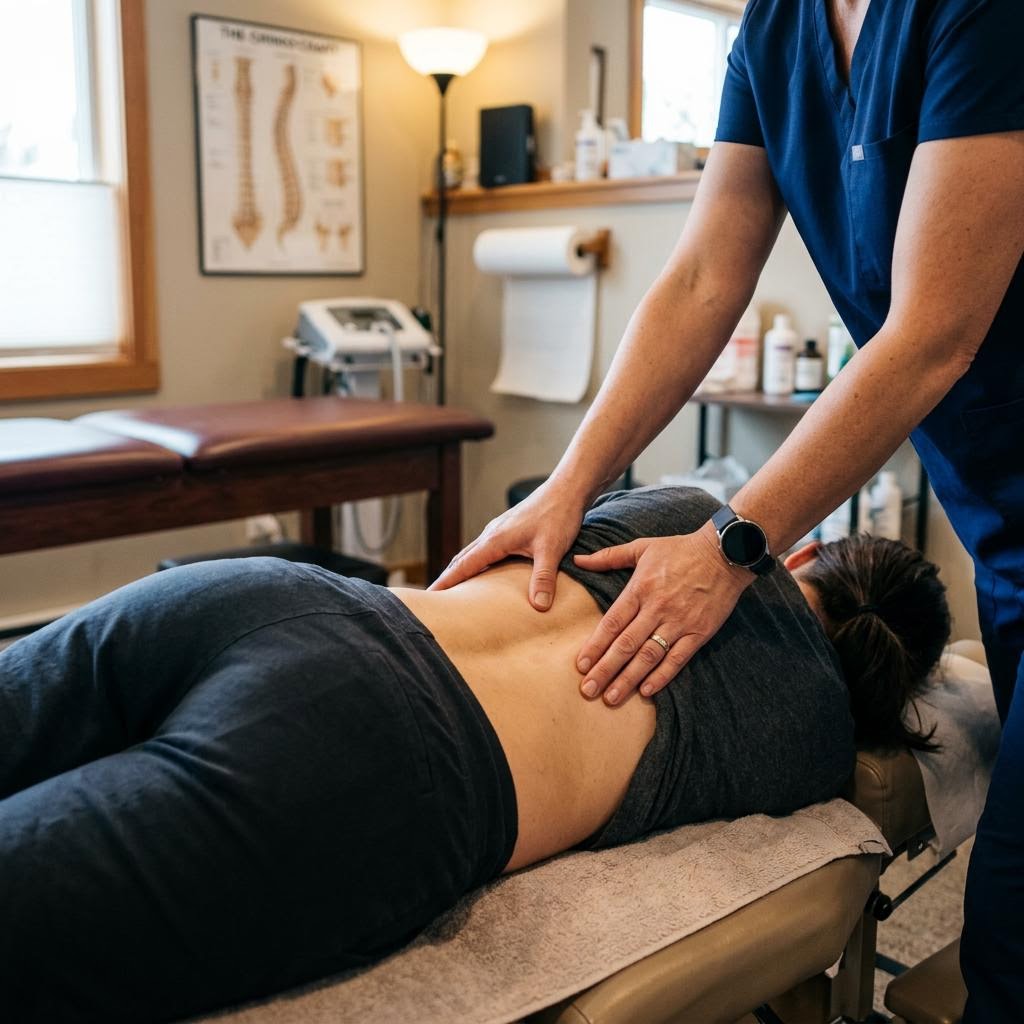
Patient receiving chiropractic adjustment at Grace Medical clinic

Benefits Of Professional Care

Athletes face a lot of physical stress, and their bodies go through repetitive movements almost every day. With that kind of wear and tear, minor pain can build up and lead to bigger problems. Getting the right professional care early can make a big difference, not just for short-term relief but for long-term results too.

Seeing someone who understands how the body moves can help:

– Relieve pain more quickly without relying on medications
– Improve movement and strength in affected joints or muscles
– Reduce swelling and stiffness that limit your range of motion
– Prevent small injuries from turning into major setbacks
– Build a recovery plan that works with your athletic goals

A good chiropractic provider will look at how the body is aligned and how different joints are working together. Many times, sports-related pain stems from more than the spot that hurts. For example, a sore knee might be caused by a hip that’s too tight or a foot that’s not landing the right way.

Professional care also gives athletes a chance to get personalized treatment. What works for one person may not work for another. Somebody training five days a week has different needs than a weekend tennis player. Having a plan that fits your sport, lifestyle, and goals makes healing feel less frustrating and more manageable.

The care plan might include adjustments, stretches, physical rehab, or movement coaching so that the pain doesn’t keep coming back. It’s not just about getting through pain, but about learning how to move safer and smarter than before.

When To Visit A North Fort Myers Chiropractic Clinic

It’s not always easy to know when you should see someone. Some injuries come on quick and leave no doubt, while others take weeks before they’re bad enough to disrupt your routine. But if you play sports regularly or stay physically active, keeping a close eye on how your body feels could save you time and trouble later.

Here are a few times it makes sense to visit a North Fort Myers chiropractic clinic right away:

– Pain that lingers beyond a few days with no clear signs of improvement
– Recurring injuries that seem to come back with the same movements
– Limited range of motion in joints or stiffness that won’t ease up
– Numbness, tingling, or weakness in your arms or legs
– Aches that stop you from enjoying your sports or workouts like you used to

Local care has the benefit of being timely and accessible. That can be especially helpful for athletes in season who don’t want to lose momentum while trying to see someone far away. Working with chiropractors who know the area and how seasonal sports shift over the year can also lead to smarter decisions about when to rest and when to push forward.

North Fort Myers athletes tend to play year-round, with warm weather keeping people outside well into the fall. Because of that, sports like running, football, and pickleball stay common well past summer. Taking preventive steps now can help avoid getting caught off guard deep into the active season.

When checking out a clinic, try to find one that takes time to learn about your daily activity, your sport, and your past injuries. A provider who listens and looks at the full picture is more likely to give care that matches what your body actually needs.

How to Keep Playing Without Setbacks

Most athletes don’t think about prevention until pain gets in the way. But staying active doesn’t have to mean constantly bouncing between discomfort and recovery. Spotting early signs, listening to your body, and getting the right kind of help are some of the best ways to keep yourself off the bench.

Even small changes in posture, routine, or movement style can have a big effect over time. That’s what makes regular check-ins worth it, especially if you play hard, train often, or already have a little ache that keeps popping up.

Being in shape comes with responsibility. If you want your body to take care of you, it helps to take care of it too. An honest look at where that nagging pain is coming from, and what can be done about it, can go a long way in keeping you doing what you love without the setbacks.

So whether it’s your first sprain or a pain that’s been building for months, don’t brush it off. With the right support, healing can be faster, safer, and more lasting than just pushing through the pain on your own.

Whether you’re an athlete dealing with muscle strains or just someone experiencing persistent aches, don’t let pain hold you back. Discover how care from a North Fort Myers chiropractic clinic can help you move better and feel stronger. Grace Medical & Chiropractic is here to provide the support and personalized treatment you need to stay active and pain-free.

Helpful Resources

Frequently Asked Questions

How often should I see a chiropractor in North Fort Myers?

Most patients benefit from weekly visits during the initial treatment phase, then transition to monthly maintenance visits. Your North Fort Myers chiropractor at Grace Medical will create a personalized schedule based on your condition and recovery goals.

Is chiropractic care safe for all ages?

Yes, chiropractic care is safe for patients of all ages, from infants to seniors. At Grace Medical & Chiropractic in North Fort Myers, we use gentle, age-appropriate techniques tailored to each patient’s needs and comfort level.

What conditions can a chiropractor treat?

Chiropractors treat a wide range of conditions including back pain, neck pain, headaches, sciatica, sports injuries, auto accident injuries, and joint pain. Our North Fort Myers team uses multiple techniques including ProAdjuster technology and spinal decompression therapy.

Why Children Need Special Physical Therapy Programs

child pt

Children grow and develop at their own pace, but sometimes they need a little extra support along the way. When a child struggles to keep up with physical milestones or is recovering from an injury, having the right kind of therapy can make a big difference. That’s where pediatric physical therapy comes in. It’s more than just stretching and strengthening. It’s about guiding kids through movement in a way that fits their age, environment, and personal challenges.

For families in Fort Myers, knowing what makes pediatric therapy different helps take some of the guesswork out of getting help. Kids aren’t just small adults. Their bodies are growing and changing quickly, which means they need care that’s built just for them. Understanding how specially designed therapy programs work can be the first step toward helping a child play, move, and feel confident again.

Physical therapy rehabilitation at Grace Medical North Fort Myers FL

Understanding Pediatric Physical Therapy

Pediatric physical therapy is a type of care focused on helping babies, children, and teens gain better movement and physical function. It goes way beyond what an adult might experience in physical therapy because kids usually need help with different things like learning to walk, sitting up straight, or running pain-free. These skills shape a child’s ability to be active every day.

Unlike adult therapy, which often focuses on recovery after surgery or injury, therapy for kids supports both development and healing. Children might not have an injury at all but are still uncomfortable moving in certain ways or have trouble doing things other kids their age can do. That’s where therapy can step in early and offer support.

Here are some common reasons children may need pediatric physical therapy in Fort Myers:

– Trouble reaching motor milestones like crawling, walking, or jumping
– Poor balance or coordination that causes frequent falls
– Pain in the legs, knees, or back that affects play or school activities
– Movement limits due to a birth condition or injury
– Recovery after surgeries or fractures
– Sports injuries that interrupt activity or cause uneven muscle use

Therapists who work with children also use different tools and techniques. Sessions might include play-based exercises, obstacle course training, or guided stretching that feels more like playtime than therapy. The goal is to build trust and make progress during movement without pressure, which keeps children more willing to participate. Whether it’s helping a toddler learn to balance or supporting a teenager after a sports injury, pediatric physical therapy is centered on what’s realistic for their age and what will carry into their daily life.

Benefits of Pediatric Physical Therapy for Children

Getting your child into the right program can create big changes in how they move and feel. These benefits don’t just show up in therapy sessions. They carry over to school, home, and play.

Here’s how pediatric physical therapy supports growth and confidence:

1. Helps With Development and Motor Skills: Therapy helps guide the body through basic movements by improving posture, walking patterns, or hand-eye coordination. This is especially helpful for younger children learning milestone movements.

2. Builds Strength and Flexibility: Many kids with pain or movement issues have muscles that are tight, weak, or not being used in the right way. Therapy focuses on waking up these muscles in safe ways to support joint health and smooth movement.

3. Supports Kids with Physical Conditions: Children with conditions like muscular disorders, developmental delays, or previous injuries often need more hands-on help to stay mobile. Physical therapy gives them a plan and a path forward.

4. Boosts Confidence: When kids start moving better, they usually start feeling better. Their ability to keep up with peers, join activities, or feel steady on their feet can positively affect how they view themselves.

One example is a child who always avoided team sports because of poor balance and frequent trips or falls. After just a few sessions of play-focused physical therapy, her coordination started to improve. That small progress meant she could join her classmates in gym class without worry, giving her more confidence at school.

It’s about more than just muscles and bones. It’s about kids being able to enjoy their lives without feeling left behind. And when care is focused on personal needs, therapy becomes something they look forward to instead of fear.

Physical Therapy

Customized Programs for Different Ages and Needs

No two kids are the same, and that holds true when it comes to therapy too. Pediatric physical therapy in Fort Myers takes a hands-on, personalized approach that matches the child’s age, condition, and learning style. A toddler who’s just learning to walk doesn’t need the same focus or exercises as a teen recovering from a sports injury. Each stage of growth needs its own plan.

For infants and toddlers, the focus is often on hitting early movement milestones like crawling, standing, or walking. Therapy may include rolling exercises, sensory play, or guided stretches that teach the body how to move in smoother, more controlled patterns. For this age group, it’s often about prevention by correcting delays early so they don’t lead to long-term problems later.

School-age kids come with their own set of needs. Maybe they’ve developed poor posture from sitting too long in class, or maybe they’ve had a fall that has made them wary of physical activity. These kids benefit from stronger coordination work and muscle retraining. Therapy might look like balance games, mini obstacle courses, or strength-building drills they can practice during recess or physical education classes.

Teenagers often need therapy for more focused rehabilitation, sometimes due to sports injuries, overuse of muscles, or complications from growth spurts. Therapy at this stage tends to be more structured but still approachable. A therapist might use resistance training, mobility work, or exercises that feel more athletic, which helps teens take their recovery seriously without feeling babied.

Parents know their child best, so working closely with a therapist who listens makes all the difference. A good plan doesn’t just target the pain. It builds up the child’s overall ability to move and thrive through every stage.

Choosing the Right Pediatric Physical Therapist

Choosing the right pediatric physical therapist in Fort Myers isn’t always easy, but there are a few signs that can help families feel more confident in their choice. You want someone who not only has clinical skill but who connects easily with kids and knows how to make them feel at ease. Children don’t always understand why therapy matters, so the right therapist can make the work feel more like fun than frustration.

Here’s what to look for:

– A calm, welcoming approach that helps children feel safe
– Knowledge of age-specific challenges and movement patterns
– An ability to explain therapy goals in ways kids can understand
– Patience and flexibility for adapting sessions to the child’s mood or energy
– A plan that includes input from the child’s parents, teachers, or doctors

Therapists should never rush through sessions or expect instant results. Progress looks different for every child. A play-based session for a preschooler might focus on balance using blocks or foam mats. Meanwhile, a session with a middle school student may work on core strength and longer stretches to support post-surgery healing.

Getting started often begins with a basic movement evaluation where the therapist checks for strength, balance, range of motion, and coordination. From there, they build a therapy plan that can grow with the child’s needs. It’s not about ticking boxes. It’s about making real improvements that help the child feel happier during movement.

Why Special Physical Therapy Programs Matter for Children

When therapy is designed with a child’s personal development in mind, it becomes more than just treatment. It becomes part of their everyday success. Children in Fort Myers who feel pain or struggle with motor skills deserve support that meets them where they are. A one-size-fits-all approach won’t cut it, and that’s why special therapy programs can be so valuable.

From helping babies build strength for their first steps to guiding teens back into game shape, pediatric physical therapy covers every checkpoint along the way. And while the exercises, routines, and pacing can change, the goal remains the same: to help every child move better, feel stronger, and face the day with more confidence.

Families who take this step for their children are often relieved when they begin to see progress, no matter how slow or steady it might be. Getting the right care can help reduce stress, improve comfort at school or home, and open up a new sense of freedom. There’s nothing like seeing your child regain joy in movement again. That’s something no parent forgets.

When you’re ready to explore how specialized therapy can support your child’s development, learn more about pediatric physical therapy in Fort Myers by discovering the tailored care offered at Grace Medical & Chiropractic. Our approach focuses on helping young patients build strength and confidence through every stage of growth.

Helpful Resources

Frequently Asked Questions

What should I expect during my first physical therapy session?

Your first session at Grace Medical in North Fort Myers includes a thorough evaluation of your condition, range of motion testing, and development of a personalized treatment plan. Wear comfortable clothing and plan for about 45-60 minutes.

How often should I do physical therapy exercises at home?

We typically recommend performing your prescribed home exercises daily between your physical therapy sessions. Consistency is key to achieving lasting results and preventing re-injury.

Does physical therapy hurt?

While some therapeutic exercises may cause mild discomfort, physical therapy should not be painful. Our North Fort Myers physical therapists at Grace Medical carefully monitor your comfort level and adjust techniques as needed.

How Poor Sleep Position Affects Your Neck And Spine Health

sleep position

Getting restful sleep is one of the best ways to support your body, especially when you’re dealing with neck or back discomfort. A good night’s sleep can help your muscles repair and ease pressure around your joints. On the flip side, poor sleep habits can make the aches worse. The way you position your body through the night plays a big role in how your neck and spine feel when you wake up.

If you often wake up with stiffness, soreness, or dull aches in your neck or back, your sleep position might be part of the problem. The angle of your spine and head while sleeping can either support your body or stretch things out of place. Over time, what seems like a small issue such as sleeping with the wrong pillow or twisting your body oddly can lead to ongoing pain or tightness that’s hard to shake without help.

chiro

How Poor Sleep Position Affects Your Spine

Most people have a go-to sleeping position, whether it’s on their back, side, or stomach. While there’s no perfect position for everyone, some are more supportive than others. The healthiest positions are those that allow your spine to stay in its natural curve while also keeping your shoulders and hips level.

Let’s look at how different sleep positions affect spinal alignment:

1. Back Sleeping: Sleeping on your back is usually the most supportive for your spine, especially if you use a pillow that keeps your neck aligned with your back. But if the pillow is too high or too flat, it could still strain your neck.

2. Side Sleeping: This one is very common and can be comfortable, but it depends on how you align your body. If your shoulder is jammed under your head, or if your knees are drawn up too tight, it can throw your spine out of line.

3. Stomach Sleeping: This is generally the hardest on your spine and neck. Lying flat on your stomach forces your head to turn to the side and your lower back to arch. Over time, this can lead to added stress on the spine and muscles.

One example we’ve seen is someone who prefers to sleep on their stomach but always wakes up with lower back pain. This position pushes the spine into an unnatural arch and places pressure on soft tissues. Once they changed to side sleeping with a body pillow between the knees, the tightness and pain began to ease up.

When the spine is kept out of its natural alignment for long hours, it builds pressure on joints and discs that aren’t meant to carry that load. Misalignment like this may not hurt instantly, but you’ll feel it after a few nights or even worse, after a few years. Over time, it can contribute to more lasting aches and reduced mobility.

Neck Pain From Poor Sleep Position

The neck is especially sensitive during sleep because it’s the upper part of the spine and supports the weight of your head. The wrong pillow, awkward angles, or a twisted sleeping position can cause tension that carries into the day.

Neck pain from sleeping wrong usually shows up as one of these:

– A stiff neck that makes it hard to turn your head normally
– Dull soreness that builds throughout the day
– Sharp pain when moving from a resting position
– Headaches starting at the base of your skull

These symptoms can be even worse when a poor sleep setup becomes an everyday pattern. Sleeping with your neck tilted in one direction night after night, like when laying on your stomach, can make certain muscles tighten while others weaken. Over time, this imbalance puts too much stress on parts of the cervical spine.

To maintain better neck alignment while sleeping, a few small changes can go a long way:

– Choose a pillow that supports the curve of your neck without pushing your head forward or letting it sag
– If sleeping on your side, keep your nose in line with the center of your body
– Avoid putting your arm under your pillow or head, which can increase tension

Creating better sleep habits doesn’t mean needing a full bedroom makeover. It’s about keeping your body in a neutral position that lets muscles relax and joints rest properly. Something as simple as switching to a supportive pillow or changing sleep positions can bring quick comfort and reduce strain over time.

chiropractic service

Long-Term Impact On Spine Health

Sleeping in a bad position doesn’t just cause short-term pain. Over time, it can lead to deeper issues that take longer to recover from. When your spine is regularly misaligned during the night, that pressure builds up. Joints get stiff, discs wear unevenly, and supporting muscles get overworked trying to protect problem areas.

Poor sleep posture can contribute to chronic back problems. For example, if you’re always sleeping with your hips twisted or your lower back slightly arched, the stress can move beyond just morning soreness. Long-term effects can include long-lasting back tightness, reduced flexibility, and limited movement during the day. These changes can sneak up on you and start to affect how you sit, bend, and walk.

When your spine isn’t positioned right for hours while you sleep, nearby nerves can get pinched or irritated. Some people begin feeling this as tingling in their arms, numbness in their fingers, or shooting pain down their legs. These signs are your body’s warning signals, letting you know there’s pressure somewhere it doesn’t belong. The longer this goes untreated, the harder it can get to reverse without professional help.

Keeping your sleep posture healthy is more than about comfort. It’s about giving your spine a break and letting it reset. A good bedtime routine can act as a support system for everything else you do throughout the day, especially if you’re already affected by low back pain or neck stiffness.

Tips For Better Sleep Posture

Changing how you sleep can feel tricky at first, but with a few easy steps, it becomes more natural over time. The point is to get your entire body into a more neutral position. This helps your spine stay in line and lets your muscles take a break.

Here are several tips that can help:

– Use a pillow that fits the way you sleep. Side sleepers benefit from a thick, firm pillow that keeps their ear aligned with their shoulder. Back sleepers should go for a thinner one that supports the neck without pushing the head forward
– If you’re a side sleeper, placing a small pillow or rolled-up towel between your knees helps keep your hips level
– Try to avoid sleeping flat on your stomach. If it’s the only way you can sleep, placing a pillow under your hips can reduce the strain on your lower back
– Invest in a mattress that offers both support and comfort. If it sags or causes pressure points, it may be time to switch
– Do a few light stretches before bed to release muscle tension and improve blood flow. Focus on gentle neck rolls, seated spinal twists, or bringing your knees to your chest while lying on your back

Small changes like these can really make a difference. Sometimes it’s not about flipping your habits overnight, but about giving your body better tools to recover while you sleep.

Your Sleep Matters More Than You Think

Your nighttime habits can have a big impact on how your body moves and feels during the day. The way your spine rests for those seven or eight hours matters just as much as what you do when you’re awake. Sleep should restore your body, not leave you waking up with more aches than you had the night before.

Long-term neck or back discomfort shouldn’t be treated like background noise. Often, poor sleep posture is an overlooked cause. If you adjust your sleep setup and don’t notice relief after a while, it may be time to bring in someone who can help figure out what’s going on underneath it all. Sometimes what feels like tight muscles or soreness might be a sign of something deeper. When that happens, getting guidance in person can steer you toward better movement and less pain in your everyday life.

If you’re in North Fort Myers and struggling with ongoing neck or back pain, improving sleep habits is a great start—but sometimes you need a little extra help. At Grace Medical & Chiropractic, we’re here to support you every step of the way. Learn how a North Fort Myers chiropractor can provide the care and guidance you need to feel better and move more comfortably every day.

Helpful Resources

Frequently Asked Questions

How often should I see a chiropractor in North Fort Myers?

Most patients benefit from weekly visits during the initial treatment phase, then transition to monthly maintenance visits. Your North Fort Myers chiropractor at Grace Medical will create a personalized schedule based on your condition and recovery goals.

Is chiropractic care safe for all ages?

Yes, chiropractic care is safe for patients of all ages, from infants to seniors. At Grace Medical & Chiropractic in North Fort Myers, we use gentle, age-appropriate techniques tailored to each patient’s needs and comfort level.

What conditions can a chiropractor treat?

Chiropractors treat a wide range of conditions including back pain, neck pain, headaches, sciatica, sports injuries, auto accident injuries, and joint pain. Our North Fort Myers team uses multiple techniques including ProAdjuster technology and spinal decompression therapy.

Which Spinal Conditions Respond Best To Decompression Therapy

spinal conditions

Back pain shows up in a lot of different ways. Whether it’s shooting down your leg, stuck in your lower back, or a twinge when you move the wrong way, it can keep you from doing everyday things. If that pain sticks around too long, it can slowly wear away at your comfort and energy. That’s where spinal decompression therapy can make a big difference. It’s designed to relieve pressure in your spine, and when done right, it can help ease stubborn pain tied to several common spinal conditions.

Some back problems don’t respond well to simple rest or stretching. In cases like that, non-surgical options like decompression therapy offer another chance to feel better. Different conditions benefit from the treatment in different ways. Let’s walk through the most common issues that respond well to spinal decompression therapy and why it works for each one.

neck discomfort

Understanding Spinal Decompression Therapy

Spinal decompression therapy is a type of treatment that uses slow, controlled stretching to gently open up the spaces between your backbones. This change in pressure helps pull herniated or bulging discs back where they belong. It also takes stress off nerves that may be pinched or irritated. This pressure relief gives sore areas a chance to heal while reducing sharp or radiating pain.

The treatment is usually done with a special table that moves in specific ways to stretch the spine at the right angles and speeds. It’s not like cracking or twisting. The machine does the work while your body stays relaxed. A trained provider watches and adjusts the session as needed so it stays safe and comfortable.

People who often benefit from this therapy include those struggling with:

1. Ongoing lower back or neck pain
2. Pain linked to disc issues
3. Nerve compression symptoms like tingling or numbness
4. Tightness and stiffness that hasn’t improved with rest

Everyone’s body reacts differently, but for the right condition, this approach can help ease pain without the need for surgery or heavy medication.

Herniated Discs

A herniated disc happens when the soft inner part of a spinal disc pushes through its outer layer. This can put pressure on nearby nerves, leading to pain, tingling, numbness, or even weakness in an arm or leg. It’s a problem that tends to get worse if the disc stays out of place and keeps pressing on those nerves.

Spinal decompression therapy helps by gently widening the space between your vertebrae. This shift can pull the herniated part of the disc back toward its proper place. As the disc repositions, pressure on the nerves drops. Over time, this can lead to reduced pain and less discomfort during daily activities.

Think of it like a jammed drawer. If you don’t ease the tension, it stays stuck. But if you move it the right way, it slides back into place. For many people with herniated discs, decompression works a lot like that.

This kind of therapy is especially helpful for herniated discs in the lower back and neck, where it’s more common to feel pain that radiates down the arms or legs. When pressure goes down, mobility often improves, and it becomes easier to move without flinching or bracing for pain.

Treatment usually involves multiple sessions planned out over a few weeks. The idea isn’t to fix everything in one go, but rather to gradually relieve the stress on that injured disc and give your body time to heal.

Chiropractor performing spinal adjustment at Grace Medical North Fort Myers

Degenerative Disc Disease

Degenerative disc disease isn’t exactly a disease—it’s a condition that happens as spinal discs lose moisture and shape over time. These discs sit between the bones in your spine and act like cushions. When they start to wear down, there’s less space between your vertebrae. That can lead to stiffness, pain, and even pinched nerves.

Spinal decompression therapy can be a good treatment for this condition because it increases space between the vertebrae, helping restore some of the pressure balance in the spine. With that extra room, the spine isn’t grinding or compressing in the same way anymore, and that can ease pain levels.

People with degenerative disc issues often feel pain when they sit or stand for long periods, or when they bend and twist. After a few sessions of decompression therapy, everyday movements like tying shoes or walking up stairs may start to feel easier.

One benefit is that the therapy focuses on reducing friction and tension in a slow, measured way. This makes it a gentle option for people who might not want or be ready for surgery. While it doesn’t reverse disc wear, it can help lessen the stress on your back and make movement more manageable.

Sciatica Pain and Decompression Therapy

Sciatica pain happens when the sciatic nerve, which runs from the lower back through the legs, gets irritated or compressed. This kind of pain can feel sharp, burning, or like pins and needles. It usually starts in the lower back and shoots down one side of the body. Some people also notice numbness or weakness in the leg or foot.

One common cause is a bulging or herniated disc pressing on that nerve. That pressure sends pain signals that travel down the nerve. Spinal decompression therapy can help by decreasing that pressure. By gently stretching the spine, the therapy opens up more room around the discs and nerves. When the nerve has more space, it’s no longer being squeezed, and pain often starts to ease up.

Sometimes, people feel relief after just a few sessions. Other times, it takes a little longer as swelling goes down and movement improves. This therapy doesn’t involve shots or strong medications. Instead, it relies on steady traction to take the pressure off and help inflamed nerves calm down naturally.

Many North Fort Myers residents dealing with long-term sciatic pain have trouble sitting at work, standing in line, or even sleeping through the night. If bending down to pick something up sparks that sharp leg pain again, decompression treatment might be worth exploring.

Spinal Stenosis and Pressure Relief

Spinal stenosis is a condition where the open spaces in the spine get narrower. When that space shrinks, nerves can get trapped. People with this condition often feel tightness or heaviness in their legs when walking for a while, along with back pain or tingling. It’s most common in the lower back or neck and can slowly get worse over time.

With spinal decompression therapy, pressure built up in tight spots is gently released. This makes space along the spine where things have been crowded. The more room the nerves have, the less likely they’ll send pain signals. Over time, this can help reduce that dragging, aching pain that makes it hard to walk or stand for long.

Here’s how decompression therapy can help those with spinal stenosis:

1. Boosts room for the spinal cord and nerves to move freely
2. Eases pinched nerve symptoms like tingling, cramps, or leg weakness
3. Supports better posture and more balanced movement
4. Makes it easier to do light exercise or stay active without flaring up pain

While spinal stenosis isn’t something that goes away completely, treatment can help control it. A focused plan that includes spinal decompression may offer a good way to improve comfort and function.

Support for North Fort Myers Patients with Spinal Conditions

Spinal decompression therapy offers real help for several lasting back conditions. Whether it’s a herniated disc, sciatica, degenerative disc disease, or spinal stenosis, the key lies in taking pressure off the right spots. With a steady and guided approach, the spine gets a chance to heal in ways that improve daily comfort and movement.

This kind of care isn’t just about short-term relief. For many, it helps bring back simple joys like driving without aches, working without stiffness, or sleeping better through the night. That’s the kind of back pain relief that means something.

If you’re in North Fort Myers and dealing with one of these common spinal issues, keep in mind that not every treatment works for every person. But with the right kind of gentle therapy, there’s a real chance to get back to doing more with less pain. Talking with someone who knows your condition well can help guide you in the right direction, especially when surgery or medication might not feel like the best first step.

Discover how much better your back can feel with the right care. Learn more about how spinal decompression therapy near North Fort Myers can make everyday activities more enjoyable and comfortable. Grace Medical & Chiropractic is here to support your journey toward lasting relief and better movement.

Helpful Resources

Frequently Asked Questions

What is spinal decompression therapy?

Spinal decompression therapy is a non-surgical treatment that gently stretches the spine to relieve pressure on compressed discs and nerves. Grace Medical & Chiropractic in North Fort Myers uses advanced decompression technology for effective relief.

Is the ProAdjuster technique painful?

No, the ProAdjuster is a gentle, computer-guided instrument that delivers precise adjustments without the traditional manual twisting or popping. Many North Fort Myers patients prefer this modern approach to spinal care.

How many spinal adjustment sessions will I need?

The number of sessions depends on your specific condition and health goals. Most patients at our North Fort Myers clinic see significant improvement within 6-12 visits, with a personalized treatment plan created during your first appointment.