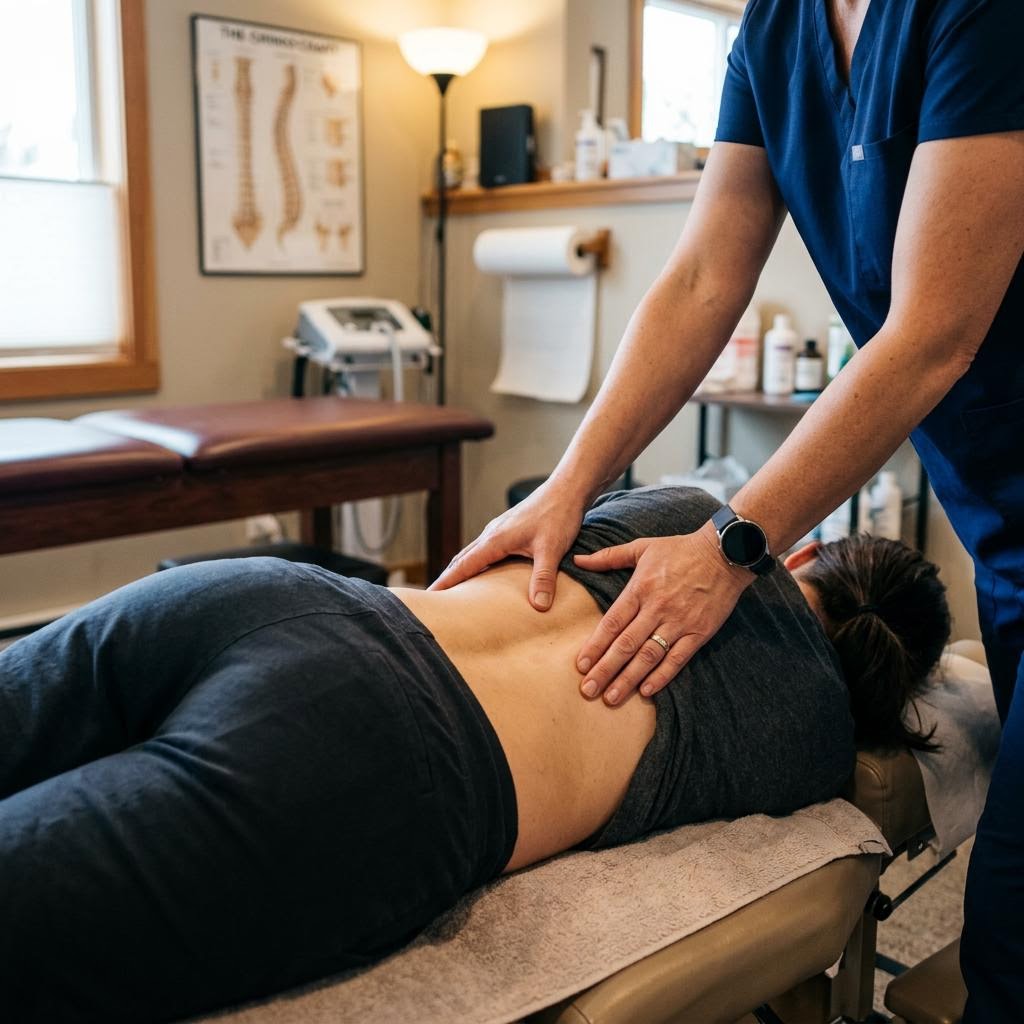
Knee pain affects millions of Americans, and it is one of the most common complaints we hear from patients at Grace Medical & Chiropractic. Whether your knee pain comes from arthritis, an old injury, or overuse, physical therapy exercises for knee pain at home can play a major role in your recovery. The right exercises strengthen the muscles around the knee, improve flexibility, and reduce stress on the joint — all from the comfort of your living room. Here is a guide to getting started safely and effectively.
Why Home Exercises Matter for Knee Pain
The knee joint relies on surrounding muscles for stability and support. When those muscles — particularly the quadriceps, hamstrings, and calves — become weak or tight, the knee absorbs more impact with every step. This leads to increased pain, stiffness, and a higher risk of further injury.
Physical therapy addresses these imbalances through targeted exercises and hands-on treatment. But the work you do between appointments is equally important. Consistent home exercises maintain the progress made during in-clinic sessions and accelerate your timeline for recovery. Even 15 to 20 minutes a day can make a noticeable difference within a few weeks.
Five Effective Exercises for Knee Pain Relief
The following exercises are commonly recommended for patients with knee pain. They target the key muscle groups that support the knee joint. Always start gently and stop if you experience sharp or worsening pain.
Quad Sets: Sit on the floor with your affected leg straight in front of you. Tighten the quadriceps muscle on the top of your thigh by pressing the back of your knee down toward the floor. Hold for five seconds, then release. Repeat 10 to 15 times. This simple exercise activates the quadriceps without putting stress on the knee joint, making it ideal for early-stage rehabilitation.
Straight Leg Raises: Lie on your back with one knee bent and the other leg straight. Tighten the quadriceps of the straight leg and lift it six to eight inches off the ground. Hold for three seconds, then slowly lower it. Perform three sets of 10 repetitions. This builds quadriceps strength while keeping the knee in a protected position.
Hamstring Stretches: Sit on the edge of a chair and extend one leg straight with your heel on the floor. Keeping your back straight, lean forward from the hips until you feel a gentle stretch along the back of your thigh. Hold for 20 to 30 seconds and repeat three times on each side. Tight hamstrings contribute to knee pain by pulling on the joint from behind.
Wall Sits: Stand with your back against a wall and slide down until your knees are bent at about a 45-degree angle. Do not go deeper than 90 degrees. Hold the position for 10 to 30 seconds and work up to longer holds as your strength improves. Wall sits strengthen the quadriceps, glutes, and core simultaneously.
Step-Ups: Using a sturdy step or low platform (six to eight inches), step up with your affected leg, straighten your knee at the top, then slowly step back down. Start with 10 repetitions and progress to three sets. This exercise mimics everyday movements like climbing stairs and builds functional strength around the knee.
When to Stop and When to Seek Professional Help
Home exercises are safe and effective for many types of knee pain, but there are times when professional evaluation is necessary. Stop exercising and contact a healthcare provider if you experience sharp pain during any exercise, sudden swelling in the knee, the knee gives way or locks up, or your pain is getting worse rather than better over two to three weeks.
If you have had a recent injury — such as a sports injury or fall — it is important to get a proper diagnosis before starting an exercise program. Conditions like ligament tears, meniscus damage, or fractures require specific treatment protocols that differ from general knee strengthening.
Patients dealing with knee pain alongside other issues like low back pain may also benefit from a comprehensive evaluation, since hip and spinal alignment can contribute to knee problems.
Combining Home Exercises with Professional Physical Therapy
While home exercises provide a strong foundation, working with a physical therapist ensures your program is tailored to your specific condition. A therapist can identify muscle imbalances, assess your movement patterns, and progress your exercises appropriately as you heal. They also use hands-on techniques like joint mobilization, soft tissue work, and modalities that you cannot replicate at home.
At Grace Medical & Chiropractic, our physical therapy team creates individualized plans that combine in-clinic treatment with a home exercise program designed for your goals and abilities. This dual approach consistently produces better outcomes than either approach alone.
Frequently Asked Questions
How often should I do physical therapy exercises at home for knee pain?
For best results, aim to perform your home exercises five to seven days per week. Consistency matters more than intensity. Most routines take only 15 to 20 minutes and can be done in the morning or evening. Your physical therapist will adjust the frequency based on your condition and how your knee responds to the exercises.
Is it normal for my knee to feel sore after doing these exercises?
Mild soreness after exercise is normal, especially when you are just starting. This typically resolves within 24 to 48 hours. However, sharp pain during exercise, increased swelling, or soreness that lasts more than two days may indicate you are doing too much too soon. Reduce the number of repetitions or range of motion and consult your therapist if the issue continues.
Can I do these exercises if I have had knee surgery?
Some of these exercises may be appropriate after knee surgery, but the timing and specific approach depend on the type of surgery you had. Always follow your surgeon’s and physical therapist’s post-operative guidelines before starting any exercise program. Your care team will let you know when it is safe to begin and which exercises are appropriate for your stage of recovery.
Start Your Recovery with Physical Therapy Exercises for Knee Pain at Home
Taking an active role in your recovery is one of the best things you can do for knee pain. These physical therapy exercises for knee pain at home give you a starting point, but personalized guidance from a professional ensures the safest, fastest path to relief. Grace Medical & Chiropractic in North Fort Myers is ready to help you move better and live without knee pain. Call us at (239) 997-8100 or visit our office at 13720 North Cleveland Avenue Suite B, North Fort Myers, FL 33903 to get started today.


